Table of Contents
ToggleWhat I Learned Working in a Professional Kitchen That Home Cooks Should Know
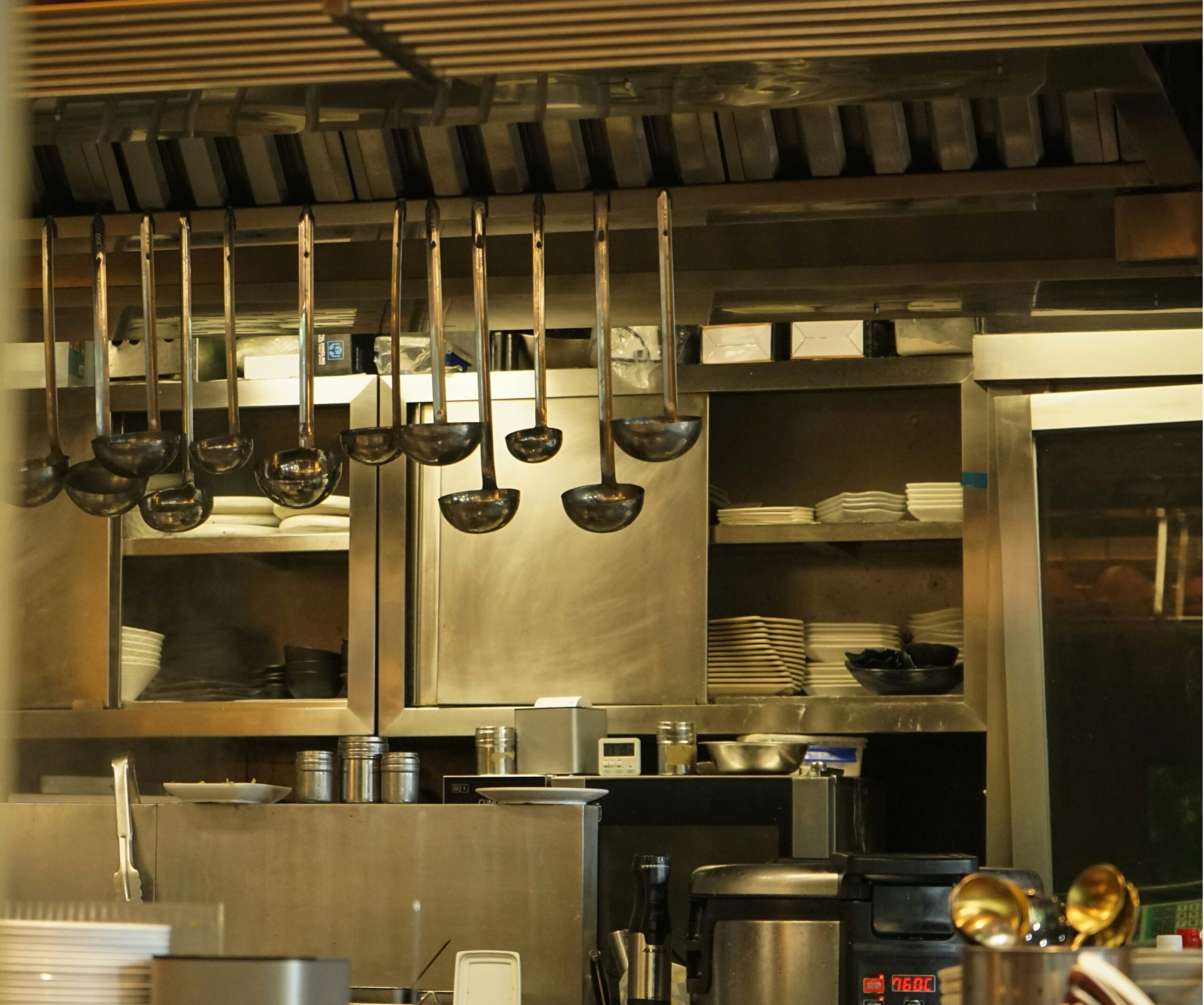
I spent years working in professional kitchens before I ever thought about writing about food. Those years changed how I cook — not because I learned fancy techniques, but because I learned how professional kitchens think.
Home cooks often focus on recipes. Professional kitchens focus on systems. That single difference explains why restaurant food so often tastes better than what we make at home — even when we’re using the same ingredients.
These are the lessons that stuck with me. None of them require special equipment. All of them changed how I cook.
1. Mise en Place Isn't Optional — It's Everything
In a professional kitchen, you never start cooking until everything is ready. Ingredients are chopped, measured, and arranged before the pan ever hits the heat. This is mise en place — “everything in its place.”
At home, most people chop an onion while the oil is heating. They measure spices while the meat is searing. They look for the garlic while the sauce is reducing.
Why this matters: Cooking is a series of timing decisions. When you’re scrambling to find an ingredient, you’re not watching the pan. You’re not tasting. You’re not adjusting.
What to do instead: Before you turn on the stove, spend 10 minutes prepping everything. Chop the vegetables. Measure the spices. Open the cans. Set the tools next to the stove.
It feels slower. It’s actually faster — because you’re not making mistakes while distracted.
2. Taste Everything, All the Time
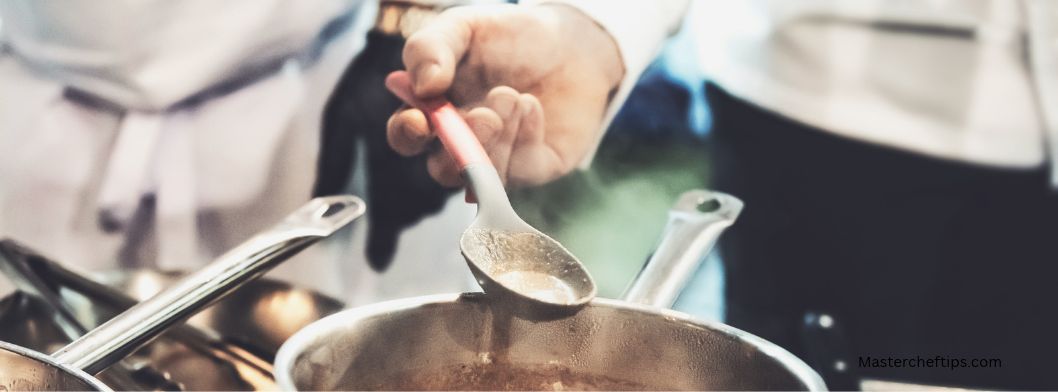
Professional cooks taste constantly. Not just at the end — at every stage.
They taste the sauce after adding salt. They taste the vegetables after they’ve been seasoned. They taste the meat after it rests. They taste the final dish before it leaves the kitchen.
Why this matters: Recipes are guidelines, not guarantees. Your ingredients are different from the recipe writer’s ingredients. Your pan heats differently. Your stove runs hotter or cooler.
The only way to know if something needs more salt, more acid, more time, or more heat is to taste it.
What to do instead: Keep a spoon next to the stove. Taste at every stage. Taste before you serve. Adjust as you go — not after the dish is already on the plate.
3. Heat Management Is the Real Skill
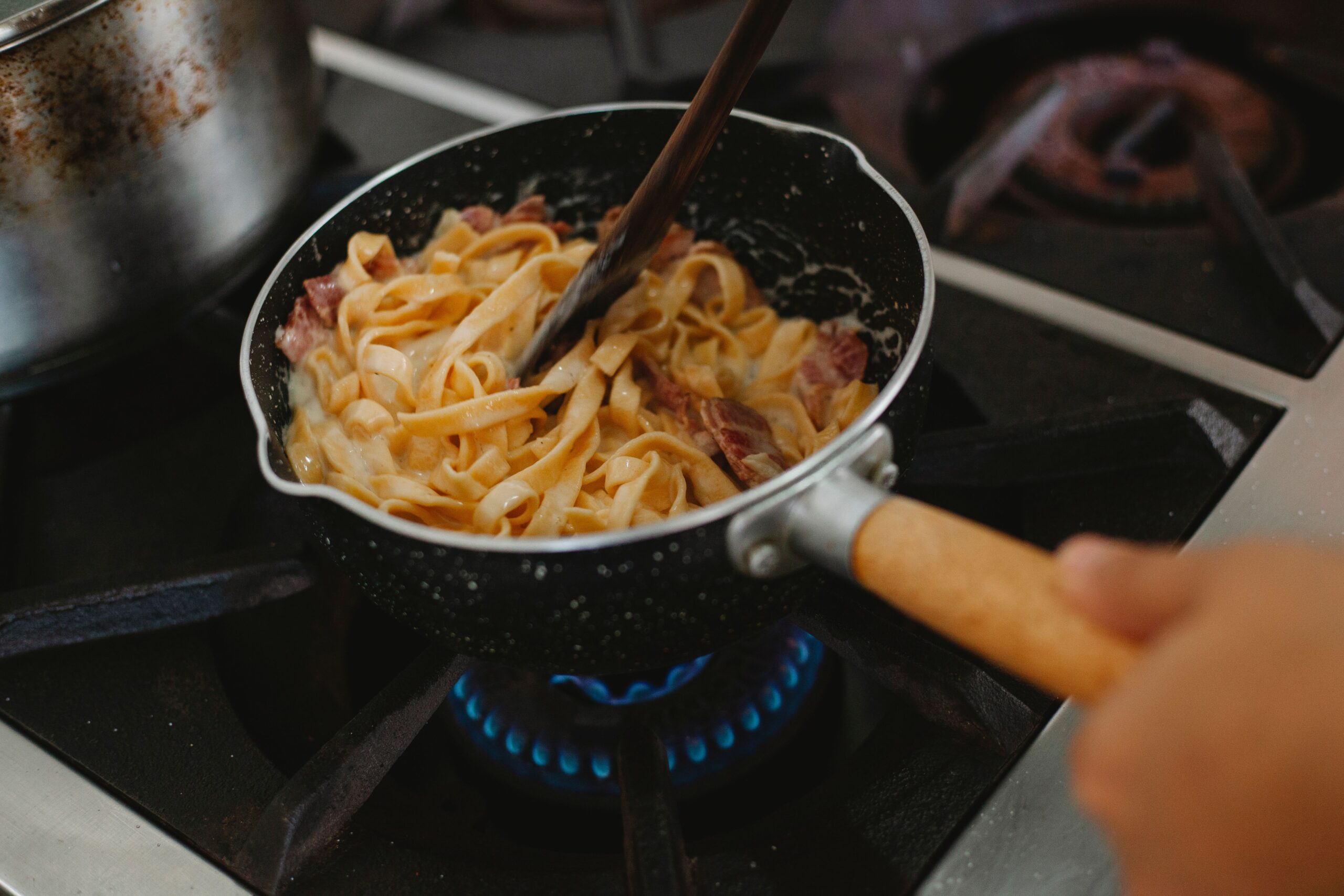
Most home cooks have two settings: high and off. Professional kitchens use the full range — and they change it constantly.
A steak sears on high heat, then finishes on medium. A sauce simmers on low, then reduces on medium-high. Vegetables sauté on medium, then finish on low with butter.
Why this matters: Heat controls everything — browning, texture, moisture, flavor development. Using the wrong heat at the wrong time is the most common reason home cooking falls short.
What to do instead: Learn to move the pan on and off the heat. Learn to lower the flame before adding butter or garlic. Learn to let the pan cool for 30 seconds before adding the next ingredient.
You can’t rush heat. But you can control it.
4. Salt Is Not a Finishing Touch — It's a Building Block
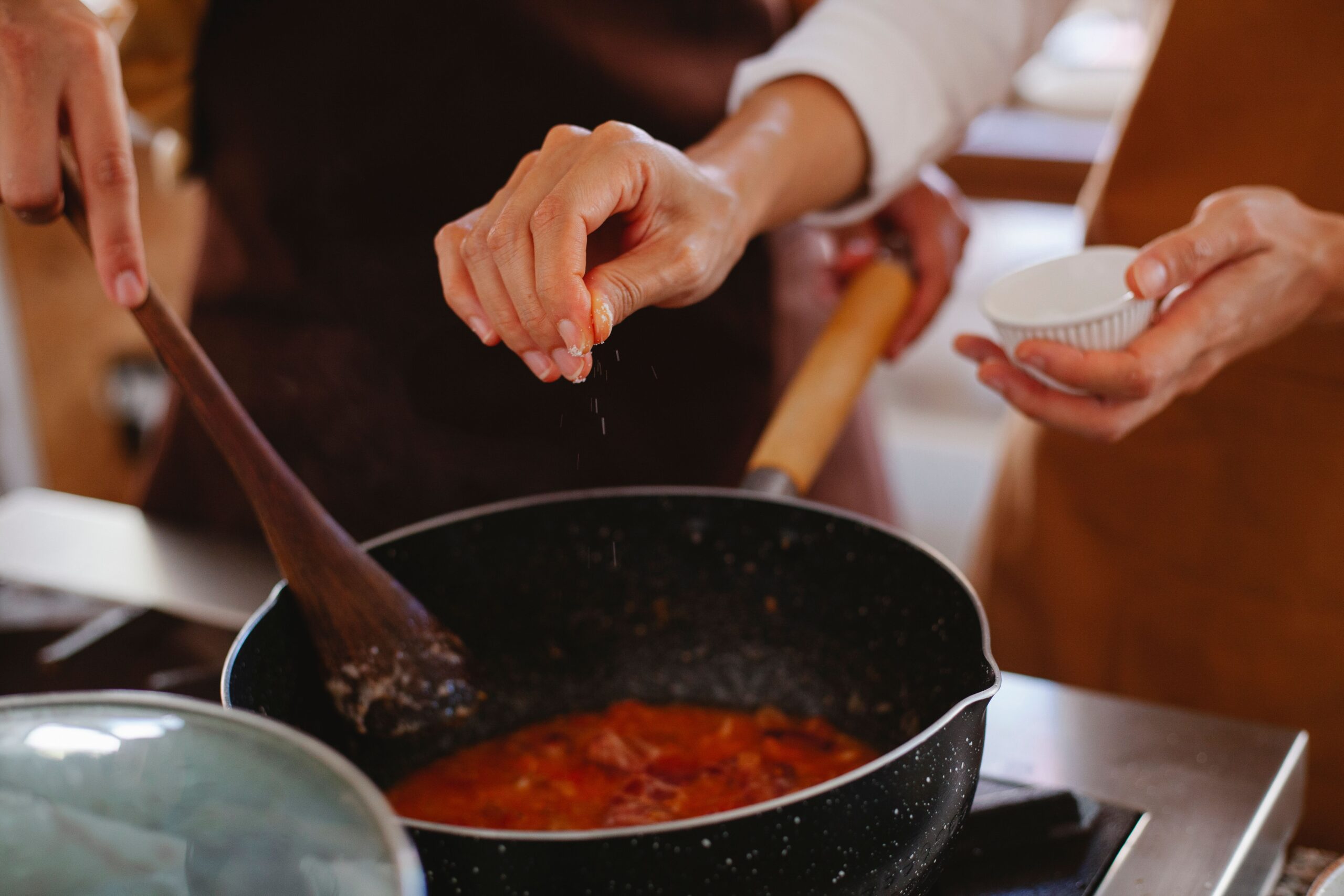
Home cooks salt at the end. Professional cooks salt at every stage.
They salt the water for pasta. They salt the vegetables before they hit the pan. They salt the meat before it sears. They salt the sauce while it reduces. They taste, and they salt again.
Why this matters: Salt doesn’t just make food salty. It enhances flavor, balances acidity, and changes texture. When you salt at the end, the salt sits on the surface. When you salt throughout, it integrates into the dish.
What to do instead: Season at every step. Taste after each addition. Use more salt than you think you need — then taste again.
You can always add more salt. You can’t take it away.
5. Clean as You Go — Or Drown Later
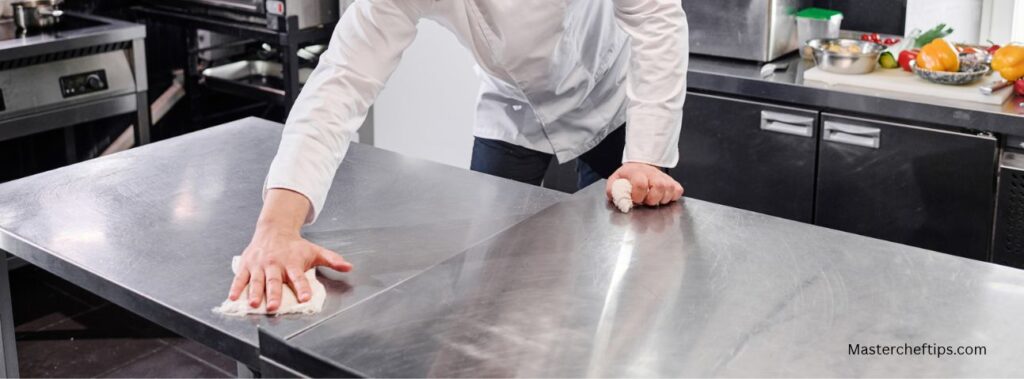
In a professional kitchen, you clean constantly. Not because anyone tells you to — because if you don’t, you’ll run out of space, tools, and time.
Home cooks often finish cooking and face a mountain of dishes. Professional cooks finish cooking and face a sink with a few pans.
Why this matters: A cluttered workspace slows you down. It makes you stressed. It makes you careless. A clean workspace keeps you focused on the food.
What to do instead: Wash or wipe tools as you finish using them. Keep a bowl for scraps. Wipe the counter between steps. By the time the food is ready, most of the cleanup is done.
6. Recipes Are Frameworks — Not Instructions
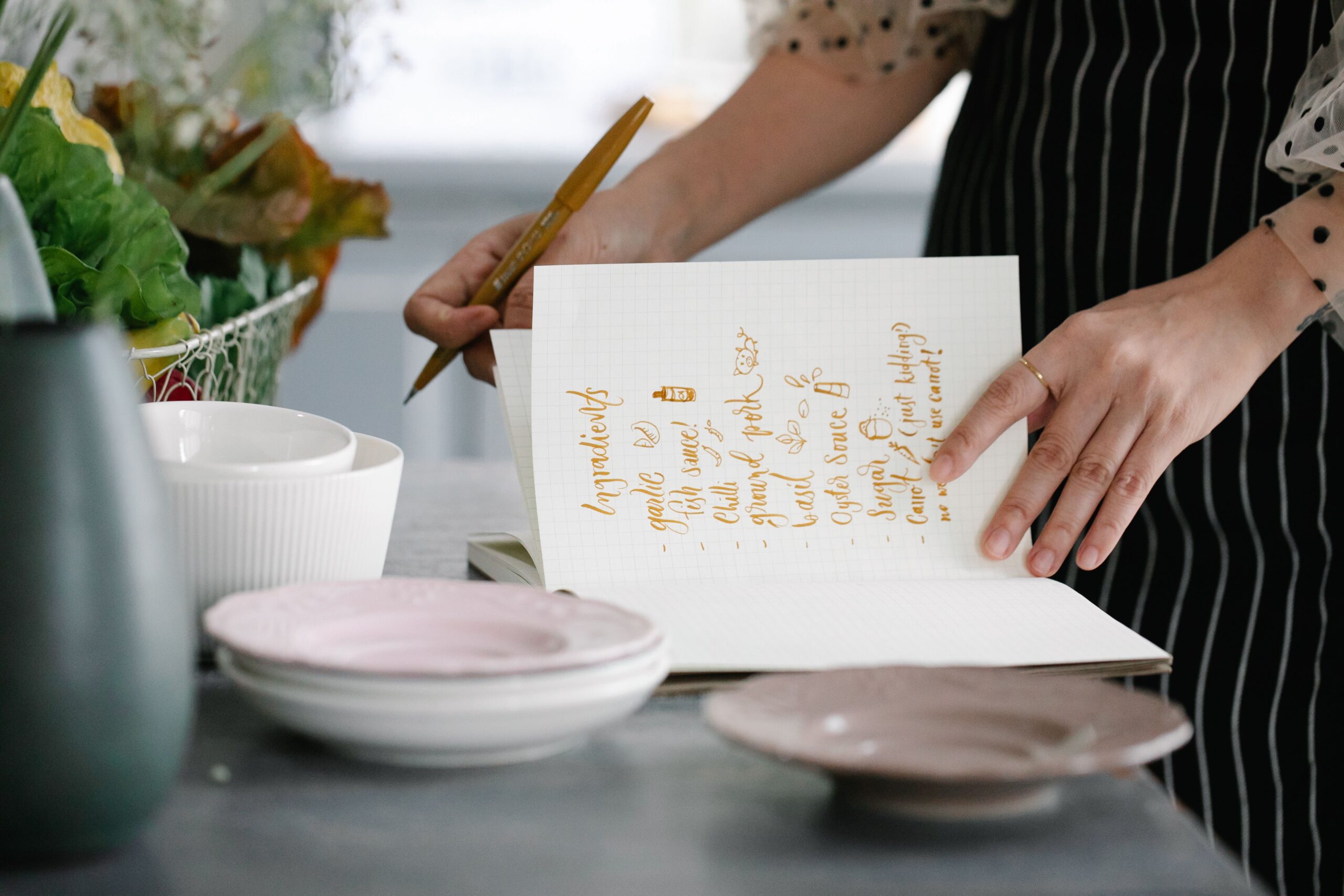
Professional cooks use recipes as starting points. They follow the technique, but they adjust the details based on what’s in front of them.
Home cooks often follow recipes exactly — then wonder why the result doesn’t match the photo.
Why this matters: Recipes are written for a specific kitchen, a specific stove, and specific ingredients. Your kitchen is different. Your ingredients are different. Your taste is different.
What to do instead: Learn the technique behind the recipe. Understand why the steps matter. Then adjust based on what you see, smell, and taste.
A recipe tells you what someone else did. Technique tells you what you should do.
7. The Best Tools Are the Ones You Use
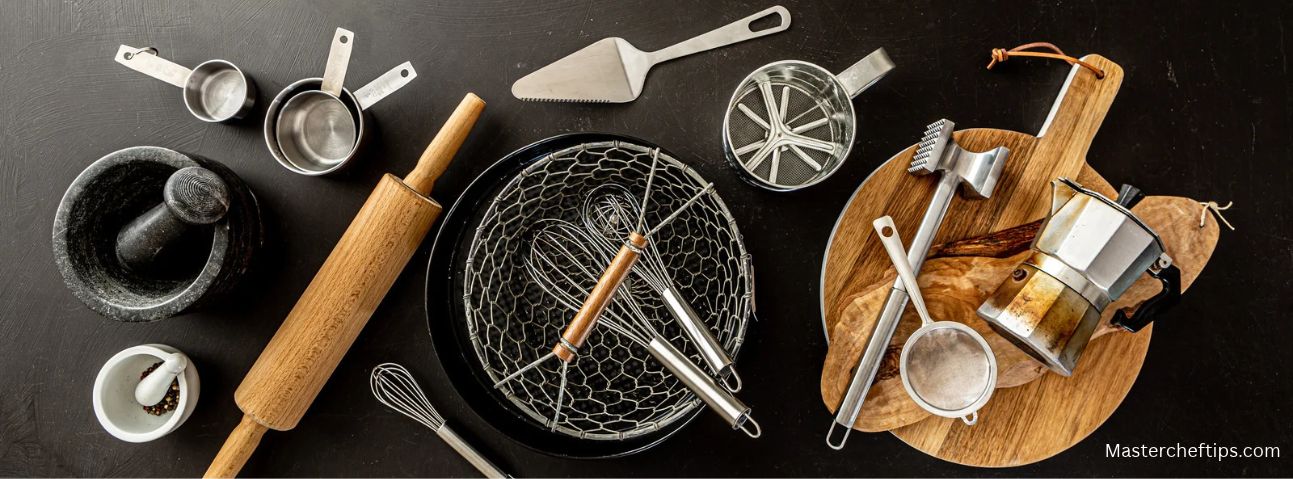
Professional kitchens don’t have every gadget. They have a few tools that work — and they use them constantly.
A chef’s knife. A sturdy pan. A wooden spoon. A pair of tongs. A towel.
Why this matters: Home cooks often buy tools they don’t need. Then they don’t use them. Then they think they need something else.
What to do instead: Buy fewer tools. Buy better tools. Use them until they wear out. Learn what each one does well.
A sharp knife and a hot pan will take you further than a drawer full of gadgets.
8. Cooking Is Repetition — Not Inspiration
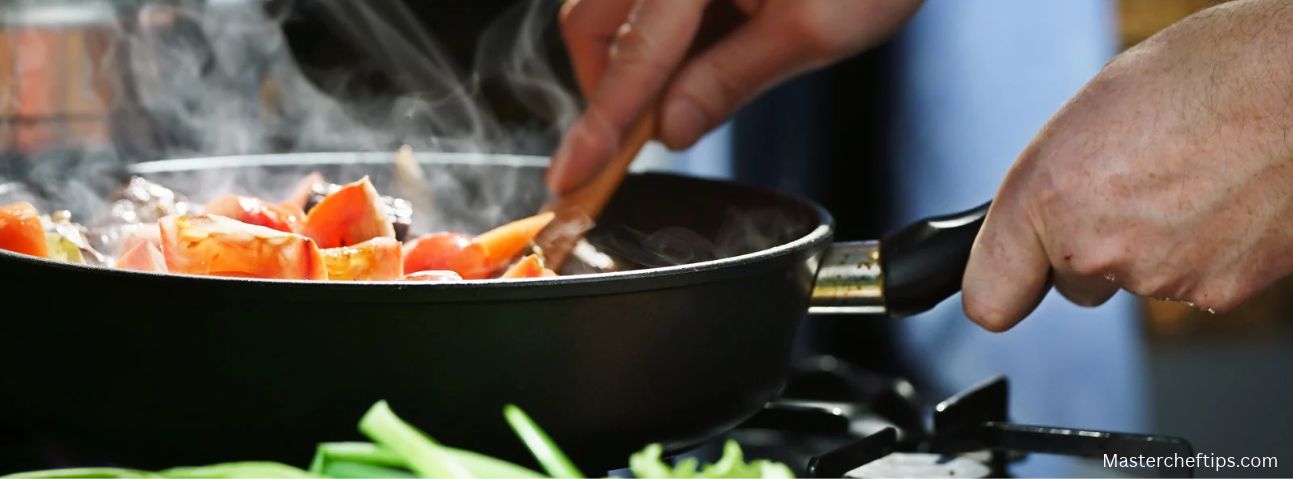
Professional kitchens don’t wait for inspiration. They cook the same dishes hundreds of times. They chop the same vegetables thousands of times.
That repetition is what builds skill. Not talent. Not creativity. Repetition.
Why this matters: Home cooks often cook a dish once, then move on. They never develop the muscle memory that makes cooking feel effortless.
What to do instead: Pick five dishes you love. Cook them again and again. Master them. Then add five more.
You don’t get better by cooking new things. You get better by cooking the same things until they’re perfect.
9. Presentation Matters — Even at Home
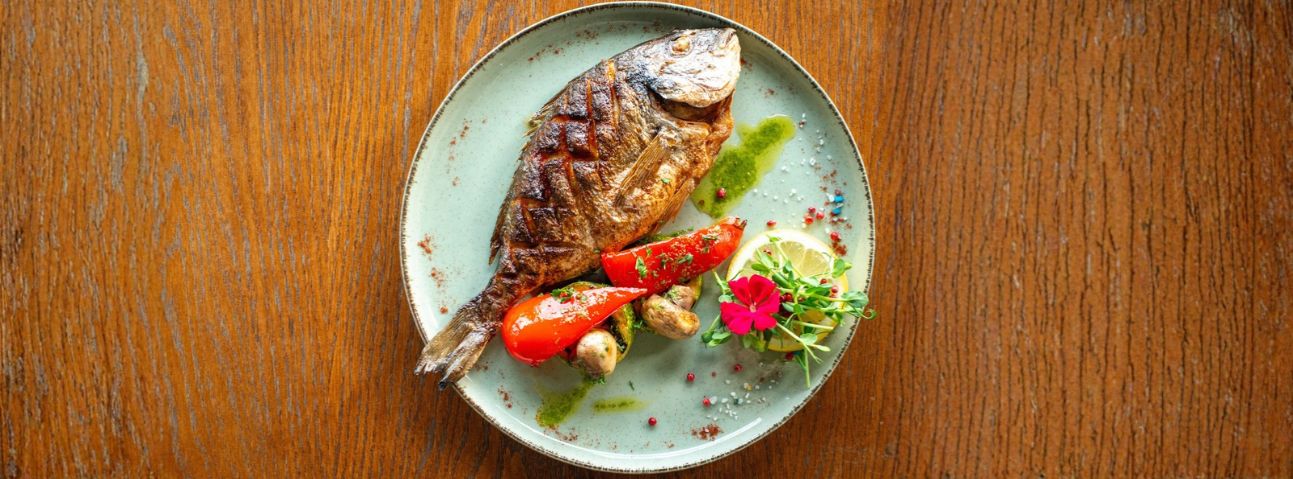
Professional kitchens plate every dish with intention. The food is arranged, not just dumped. The plate is wiped. The garnish is placed.
Home cooks often serve food straight from the pan — and it shows.
Why this matters: We eat with our eyes first. A dish that looks cared for tastes better — even if the recipe is identical.
What to do instead: Take 30 seconds to plate your food. Wipe the edges of the bowl. Add a garnish. Arrange the components instead of piling them.
You don’t need to be fancy. You just need to be intentional.
10. Respect the Ingredients — They're Already Good
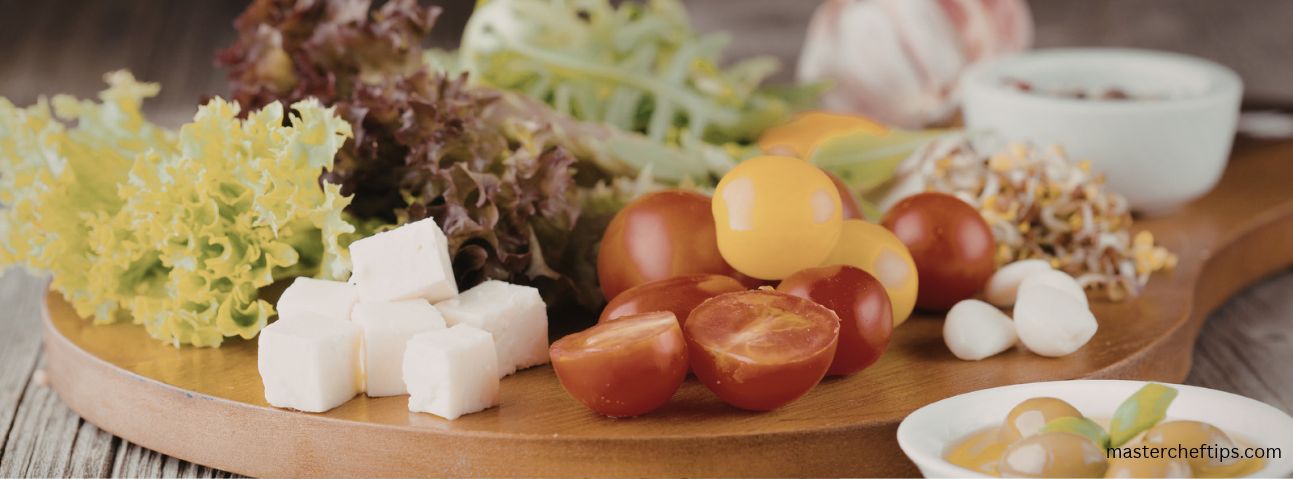
Professional kitchens treat ingredients with respect. They don’t hide them under heavy sauces. They don’t overcook them. They don’t drown them in seasoning.
They let the ingredient be what it is.
Why this matters: Home cooks often try to improve ingredients instead of highlighting them. They add too much, cook too long, and lose what made the ingredient good in the first place.
What to do instead: Buy the best ingredients you can afford. Cook them simply. Season them carefully. Let them taste like themselves.
A perfect tomato doesn’t need much. A fresh fish doesn’t need much. The best cooking is often the simplest.
Final Thoughts
Working in a professional kitchen didn’t teach me secret techniques. It taught me discipline, organization, and respect for the process.
Those lessons work at home. They work in any kitchen. They work whether you’re cooking for one person or a hundred.
You don’t need a professional kitchen to cook like a professional. You need the habits that professional kitchens build.
Start with one. Mise en place. Tasting. Heat control. Salt. Cleaning as you go. Pick one and practice it this week.
Then add another.
That’s how it works in a professional kitchen. That’s how it can work in yours.
F.A.Q.
Mise en place. Everything else builds on it. When you’re organized, you can focus on cooking instead of scrambling.
No. You need a sharp knife, a sturdy pan, and a few basic tools. Technique matters more than equipment.
It depends on how often you cook. If you practice deliberately, you’ll notice a difference in a few weeks. Real mastery takes months or years.
Not because of secret ingredients — because of technique, seasoning, heat control, and repetition. All of which you can learn at home.
Yes. Practice, repetition, and attention to detail matter more than formal training. Cook the same dishes repeatedly. Taste constantly. Adjust as you go.
Disclaimer
Photos are for illustrative purposes. Cooking techniques and results may vary based on your equipment, ingredients, and skill level.

