Baking Tips: What I Wish I Knew Before I Started Baking
Baking isn’t hard. It’s just unforgiving. Unlike cooking, where you can adjust as you go, baking is chemistry — and the wrong move at the wrong time ruins the whole batch. Here’s what I learned in professional kitchens that changed how I bake at home.
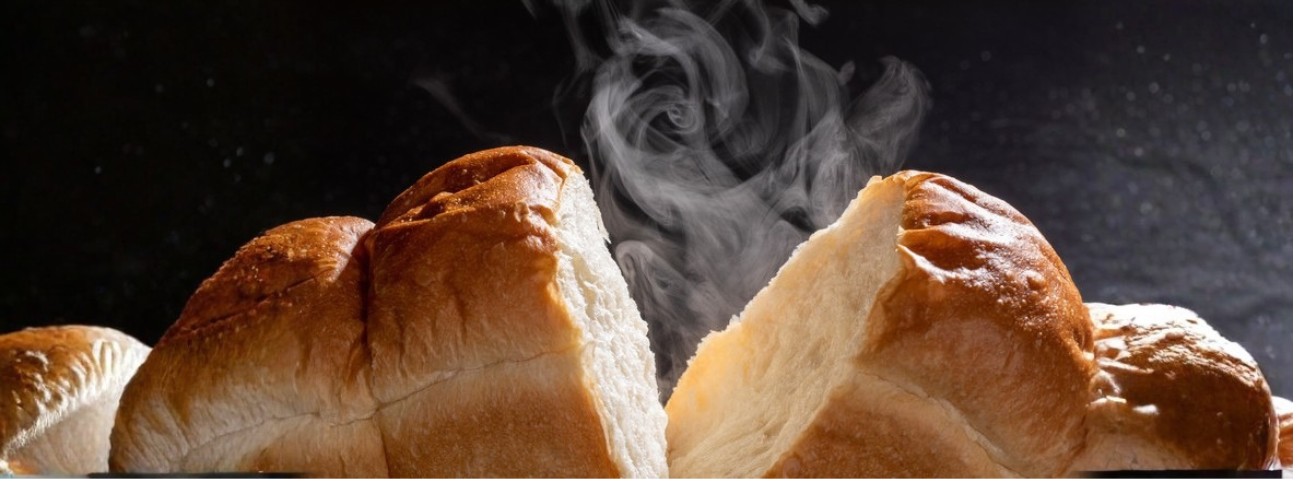
Baking is different from cooking. When you’re cooking a stew, you can taste it, adjust the salt, add more liquid, let it cook longer. When you’re baking a cake, you can’t fix it once it’s in the oven.
That’s why home bakers struggle. Cooking rewards instinct. Baking rewards precision. The wrong measurement, the wrong temperature, the wrong mixing technique — any one of those can ruin the batch.
But baking isn’t difficult once you understand the rules. Flour, fat, sugar, eggs, leavening, liquid — these are the building blocks. Learn how they work together, and you can bake almost anything.
I’ve spent years working in professional kitchens, and baking was part of the daily rhythm. We baked bread for service, cakes for dessert, cookies for the pastry case. It’s the technique that demands the most precision — and rewards it the most.
This guide explains the fundamentals of baking, the mistakes I’ve seen home cooks make, and how to fix them.
Table of Contents
ToggleThe Baking Cheat Sheet
| What | Details |
|---|---|
| What it is | Cooking with dry, indirect heat in an oven |
| Key ingredients | Flour, fat, sugar, eggs, leavening, liquid |
| Temperature | 325–450°F depending on what you're baking |
| Measurements | Precise — weigh ingredients when possible |
| Mixing | Depends on the recipe — fold, cream, whisk, knead |
| Oven temperature | Verify with an oven thermometer |
| Timing | Follow the recipe — check early |
| Cooling | Don't skip — most baked goods need to set |
| Storage | Airtight containers, cool dry place |
| Best practices | Mise en place, room temp ingredients, preheat oven |
What Baking Actually Does
Baking is the process of cooking food with dry, indirect heat in an oven.
Four things happen during baking:
1. Leavening creates rise.
Yeast, baking powder, and baking soda produce gas (carbon dioxide) that makes dough and batter rise. The heat of the oven sets the structure before the gas escapes.
2. Gluten develops structure.
Flour contains proteins that form gluten when mixed with liquid. Gluten gives bread its chewy texture and cakes their crumb. Mix too little and it won’t hold together; mix too much and it becomes tough.
3. Sugar caramelizes.
Sugar in baked goods browns during baking — this is what gives cookies their golden edges and bread its crust.
4. Fats tenderize and add flavor.
Butter, oil, and shortening coat the flour proteins and prevent them from forming too much gluten. This makes baked goods tender and rich.
What baking is NOT:
Baking isn’t roasting. Roasting uses dry heat for meat and vegetables. Baking uses dry heat for dough, batter, and pastries.
Baking isn’t broiling. Broiling uses intense top heat for a short time. Baking uses moderate heat from all sides for a longer time.
The Professional Way vs. The Home Cook Way
| Step | Home Cook | Professional |
|---|---|---|
| Measurements | Cups and spoons | Kitchen scale — weighed in grams |
| Ingredients | Whatever's in the fridge | Room temperature — verified |
| Oven | Preheated by feel | Preheated, verified with thermometer |
| Mixing | Stir until combined | Follow technique — fold, cream, knead |
| Timing | Until done | Timed + visual cues |
| Cooling | On the pan | On a rack, fully cooled before slicing |
| Storage | Plastic wrap or foil | Airtight containers, labeled |
| Recipe | Followed loosely | Followed precisely |
| Adjustments | Made on the fly | Made in the next batch |
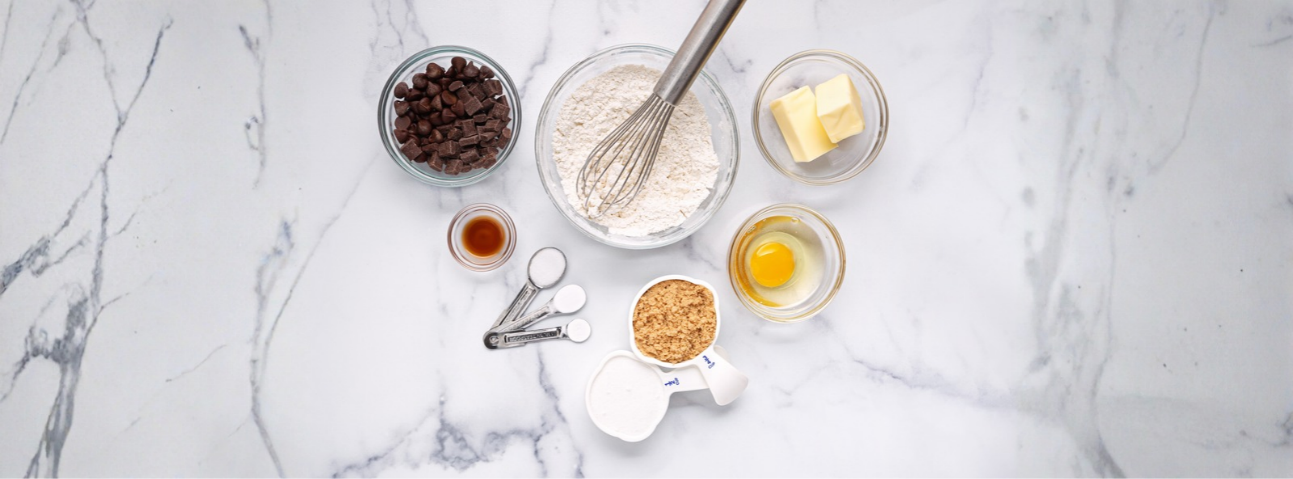
How I Bake: 10 Steps, Start to Finish
Step 1: Read the Recipe First
Read the entire recipe before you start. Twice.
Chef’s note: In professional kitchens, we read recipes before service. Reading ahead tells you what’s coming — when to preheat, when to mix, when to rest. Baking punishes surprises.
Step 2: Preheat the Oven
Turn the oven on at least 15–20 minutes before baking. Verify the temperature with an oven thermometer.
Chef’s note: Most home ovens run 25–50°F off from the dial. An oven thermometer costs about $10 and fixes this permanently.
Step 3: Gather Ingredients and Bring to Room Temperature
Lay out all ingredients. Bring eggs, butter, and milk to room temperature unless the recipe says otherwise.
Chef’s note: Room-temperature ingredients mix more evenly and create better texture. Cold butter doesn’t cream properly. Cold eggs don’t incorporate smoothly.
Step 4: Measure Precisely
Use a kitchen scale if possible. If using measuring cups:
Flour — spoon into the cup, level off with a knife (don’t scoop)
Sugar — scoop and level (sugar doesn’t compact like flour)
Butter — use the wrapper markings
Liquids — use a liquid measuring cup at eye level
Chef’s note: Weighing is more accurate than measuring cups. A cup of flour can vary by 20% depending on how it’s scooped. This is why professional kitchens use scales.
Step 5: Mix with the Right Technique
Mixing technique matters as much as ingredients:
Creaming — butter and sugar beaten until light and fluffy (creates air pockets)
Folding — gentle mixing with a spatula to preserve air (for whipped egg whites)
Kneading — developing gluten (bread)
Stirring — minimal mixing (muffins, pancakes — don’t overmix)
Chef’s note: Overmixing develops too much gluten — that’s why muffins turn out tough and rubbery. Mix until just combined for anything that isn’t bread.
Step 6: Prepare the Pan
Butter and flour the pan, or line with parchment. This is not optional.
Chef’s note: Even non-stick pans need preparation. Grease the pan, line with parchment for cakes, and don’t skip this step — a stuck cake ruins the whole batch.
Step 7: Bake at the Right Temperature
Follow the recipe temperature. Don’t increase the heat to cook faster — this causes the outside to burn before the inside cooks.
Chef’s note: If the recipe says 350°F, bake at 350°F. The temperature is calibrated to the chemistry of the recipe.
Step 8: Check Early
Set a timer for the minimum time in the recipe. Start checking 3–5 minutes before.
How to check:
Cakes — toothpick comes out clean (or with a few crumbs)
Cookies — edges are set, center is slightly soft
Bread — sounds hollow when tapped on the bottom
Pastry — golden brown and firm
Chef’s note: Every oven bakes differently. Start checking early — you can always bake longer, but you can’t unbake.
Step 9: Cool on a Rack
Transfer baked goods to a wire cooling rack as soon as they come out of the oven (unless the recipe says otherwise).
Chef’s note: Cooling on a rack lets air circulate underneath and prevents the bottom from getting soggy. Don’t leave cakes in the pan — they keep cooking from residual heat.
Step 10: Store Properly
Once fully cooled, store in an airtight container.
Bread — paper bag or bread box at room temp; freeze for longer storage
Cookies — airtight container at room temp
Cakes — cake dome or airtight container at room temp; refrigerate if frosted
Pastry — refrigerate or freeze depending on type
Chef’s note: Never store bread in the fridge — it goes stale faster. Freeze it instead.
The Baking Mistakes I've Watched Home Cooks Make
1. Not preheating the oven. Cold oven = uneven baking. Preheat 15–20 minutes.
2. Using cold ingredients. Cold butter and eggs don’t mix properly. Bring to room temperature.
3. Not measuring flour correctly. Scooping packs the flour — too much flour = dry, dense baked goods. Spoon and level.
4. Overmixing the batter. Overmixing develops gluten. Mix until just combined.
5. Opening the oven too often. Every peek drops the temperature and can deflate a cake. Leave it alone.
6. Guessing doneness. Use a toothpick or visual cues. Set a timer.
7. Not cooling on a rack. Cooling on the pan makes the bottom soggy and continues cooking.
8. Not prepping the pan. Even non-stick needs greasing. Line with parchment for cakes.
9. Using the wrong pan size. A different size pan changes the baking time and structure. Follow the recipe.
10. Substituting ingredients without knowing the effect. Baking soda isn’t baking powder. Butter isn’t oil. Substitutions change the chemistry.
Baking Temperatures and Times
| Item | Temp | Time | Notes |
|---|---|---|---|
| Cookies (drop) | 350°F | 10–12 min | Edges set, center soft |
| Cookies (rolled) | 350°F | 8–10 min | Watch closely |
| Cake (layer, 9 inch) | 350°F | 25–30 min | Toothpick clean |
| Cupcakes | 350°F | 18–22 min | Toothpick clean |
| Muffins | 375°F | 18–22 min | Golden brown |
| Quick bread (banana, etc.) | 350°F | 50–60 min | Toothpick clean |
| Yeast bread (loaf) | 375°F | 35–45 min | Hollow sound |
| Pie crust (blind baked) | 425°F | 15 min + 10 min | Weights + no weights |
| Cheesecake | 325°F | 60–75 min | Jiggly center |
| Brownies | 350°F | 25–30 min | Toothpick with crumbs |
| Scones | 400°F | 15–18 min | Golden brown |
| Biscuits | 425°F | 12–15 min | Golden brown |
When Baking Goes Wrong
Problem: The cake didn’t rise.
Cause: Overmixed batter, old leavening, or oven too cold.
Fix: Mix just until combined. Check that baking powder/soda is fresh. Verify oven temperature.
Problem: The cake is dry.
Cause: Too much flour, overbaked, or not enough fat.
Fix: Weigh flour or spoon and level. Check early. Don’t substitute butter with oil unless the recipe says so.
Problem: The cookies spread too much.
Cause: Warm dough, too much butter, or insufficient chilling.
Fix: Chill dough before baking. Use room-temperature butter, not melted.
Problem: The bread is dense.
Cause: Under-kneaded, old yeast, or not enough rising time.
Fix: Knead longer. Check yeast freshness. Let it rise fully.
Problem: The crust is too dark.
Cause: Oven too hot, or baking on the wrong rack.
Fix: Verify oven temperature. Move to middle rack. Cover with foil if browning too fast.
Problem: The baked goods stick to the pan.
Cause: Pan not greased well, or not lined.
Fix: Grease thoroughly and use parchment paper.
Problem: The middle is underbaked.
Cause: Oven too hot — outside cooked, inside didn’t.
Fix: Lower temperature and bake longer. Or use a different pan size.
Problem: The baked goods taste flat.
Cause: Not enough salt, or old ingredients.
Fix: Check that salt was added. Use fresh baking powder/soda.
What to Serve With Baked Goods
Baked goods pair well with:
Coffee — classic pairing
Tea — especially with scones and biscuits
Milk — with cookies
Butter and jam — with bread and biscuits
Ice cream — with warm cakes and pies
Whipped cream — with fruit desserts
FAQs about Baking
1. Do I need a kitchen scale for baking?
Not required, but recommended. Weighing is more accurate than measuring cups.
2. How do I measure flour correctly?
Spoon flour into the cup, then level with a knife. Never scoop directly from the bag.
3. Why do recipes say "room temperature" ingredients?
Room-temperature ingredients mix more evenly and create better texture.
4. What's the difference between baking powder and baking soda?
Baking powder contains baking soda plus an acid. Baking soda needs an acid (buttermilk, lemon juice) to activate.
5. Can I substitute butter with oil?
Sometimes, but not always. Butter adds flavor and structure that oil can’t replicate.
6. Why did my cake sink in the middle?
Oven door opened too soon, overmixed batter, or underbaked.
7. How do I know when baked goods are done?
Toothpick test for cakes, visual cues for cookies, hollow sound for bread.
8. Do I need to sift flour?
Not usually. Modern flour is pre-sifted. Spoon and level.
9. Can I bake at a lower temperature for longer?
Yes, sometimes. Lower temperatures bake more evenly but take longer.
10. What's blind baking?
Baking a pie crust without the filling, usually with weights to prevent it from puffing.
11. Why do cookies spread?
Warm dough, too much butter, or not enough flour.
12. Can I freeze baked goods?
Yes. Most baked goods freeze well. Wrap tightly and thaw at room temperature.
13. Do I need to preheat the pan?
No. Except for specific recipes (like some pizzas or breads on a stone).
14. Can I open the oven while baking?
Limit it. Opening the oven drops the temperature and can deflate cakes.
15. Why does my bread have a big hole in the middle?
Too much yeast, over-proofed dough, or oven too hot.
Final Thoughts
Baking isn’t hard. It’s just unforgiving. Unlike cooking, where you can adjust as you go, baking is chemistry — and the wrong move at the wrong time ruins the batch.
But once you understand the fundamentals — measurement, temperature, technique — baking becomes one of the most rewarding things you can do in the kitchen. There’s nothing like pulling a perfect loaf of bread out of the oven, or watching someone bite into a cookie you made from scratch.
The rules are simple:
Read the recipe first
Preheat the oven
Use room-temperature ingredients
Measure precisely
Mix with the right technique
Don’t open the oven
Check early
Cool on a rack
Store properly
Do those things, and baking becomes one of the most rewarding techniques in your kitchen.
In professional kitchens, baking was the technique that required the most discipline. No shortcuts. No guessing. Just precision, repetition, and consistency.
Baking isn’t cooking. It’s chemistry — and when you get it right, the results speak for themselves.
Disclaimer
This article is based on personal experience working in professional kitchens. Cooking techniques and results may vary based on your equipment, ingredients, and skill level. Photos are for illustrative purposes.