Steaming: The Healthiest Cooking Technique that transforming food with nothing but vapor
Steaming is the technique that preserves more nutrients than any other method — and the one most home cooks skip. It’s also one of the easiest to master. Here’s how professional kitchens steam, and why it deserves a place in your routine.
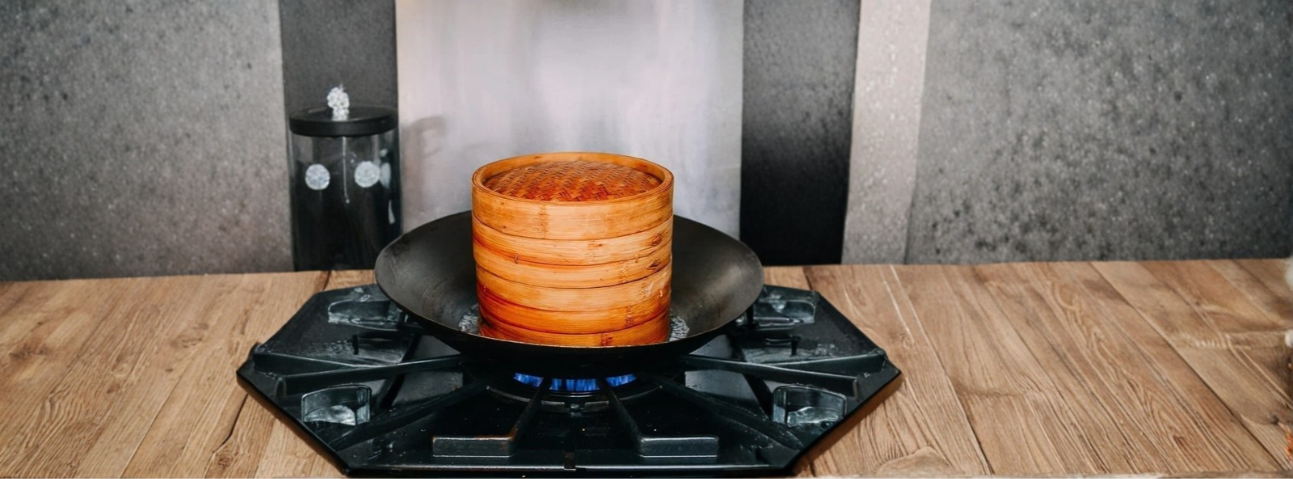
Steaming is the quiet hero of the kitchen. It doesn’t sizzle. It doesn’t brown. It doesn’t do anything dramatic. But it’s the cooking method that has fed civilizations for over 3,000 years — and it’s still the healthiest way to cook most foods.
The technique is ancient. Bamboo steamers were used in Chinese cuisine over 3,000 years ago. Every culinary tradition has its own version — Chinese dim sum, Japanese chawanmushi, Indian idli, Mediterranean fish steamed with herbs. Steaming is universal because it works.
Most home cooks avoid steaming because they think it’s limiting. Vegetables. Maybe fish. That’s it. But steaming is far more versatile than people realize — it works for proteins, dumplings, custards, tamales, and yes, vegetables.
I’ve spent years working in professional kitchens, and steaming was part of the daily rhythm. We steamed vegetables for garnish, fish for delicate plates, dumplings for service, custards for dessert. It’s the technique that produces the cleanest, most nutritious food in the kitchen — when it’s done right.
This guide explains how steaming actually works, when to use it, and the mistakes I’ve seen home cooks make over and over.
Table of Contents
ToggleThe Steaming Cheat Sheet
| What | Details |
|---|---|
| What it is | Cooking food by surrounding it with steam in a covered environment |
| Temperature | 212°F (100°C) — water boils, steam circulates |
| Best equipment | Bamboo steamer, metal steamer insert, electric steamer, or a simple rack + lid |
| Water level | Below the steamer basket — the food shouldn't touch the water |
| Lid | Tight-fitting — traps steam and maintains temperature |
| Food prep | Cut evenly, arranged in a single layer, spaced apart |
| Best foods | Vegetables, fish, dumplings, custards, rice, tamales |
| Time | 3 minutes (greens) to 30+ minutes (root vegetables, custards) |
| Signs of good steaming | Bright colors, tender-crisp texture, no soggy spots |
| After steaming | Season immediately, serve hot, or use in another dish |
What Steaming Actually Does
Steaming is the process of cooking food by surrounding it with hot steam in a covered environment.
Three things happen during a proper steam:
1. Heat transfers via steam, not water or oil.
Unlike boiling (where food sits in water) or frying (where food sits in oil), steaming cooks food through circulating vapor. This is gentler than boiling — nutrients don’t leach into the cooking water, because the food isn’t submerged.
2. Nutrients are preserved.
When you boil vegetables, water-soluble vitamins (vitamin C, B vitamins) leach into the water and get poured down the drain. Studies have shown that steaming preserves up to 90% of water-soluble vitamins — far more than boiling, and even more than some pan-frying methods.
3. Texture stays intact.
Because steam is gentle, food cooks evenly without drying out or getting waterlogged. This is why steamed fish is moist, steamed dumplings have delicate wrappers, and steamed broccoli stays bright green instead of turning mushy.
What steaming is NOT:
Steaming isn’t boiling. Boiling submerges food in water at 212°F, which leaches nutrients and can make vegetables soggy. Steaming uses the vapor above boiling water — the food never touches the liquid.
Steaming isn’t simmering either. Simmering cooks food in liquid at 185–205°F. Steaming cooks food in vapor at 212°F — but without the food being submerged.
The Professional Way vs. The Home Cook Way
| Step | Home Cook | Professional |
|---|---|---|
| Equipment | Whatever fits | Bamboo steamer, proper insert, or multi-tier steamer |
| Water level | Fills pot | Below the basket — food never touches water |
| Lid | Loosely covered | Tight-fitting, checked for steam leaks |
| Food arrangement | Piled in | Single layer, spaced apart |
| Batch size | Fills the steamer | Steams in batches or uses multi-tier |
| Timing | Guessed | Precisely timed |
| Flavoring | Added after | Aromatics in water or on the food |
| Serving | Waits for the rest of the meal | Served immediately |
How I Steam: 10 Steps, Start to Finish
Step 1: Choose the Right Equipment
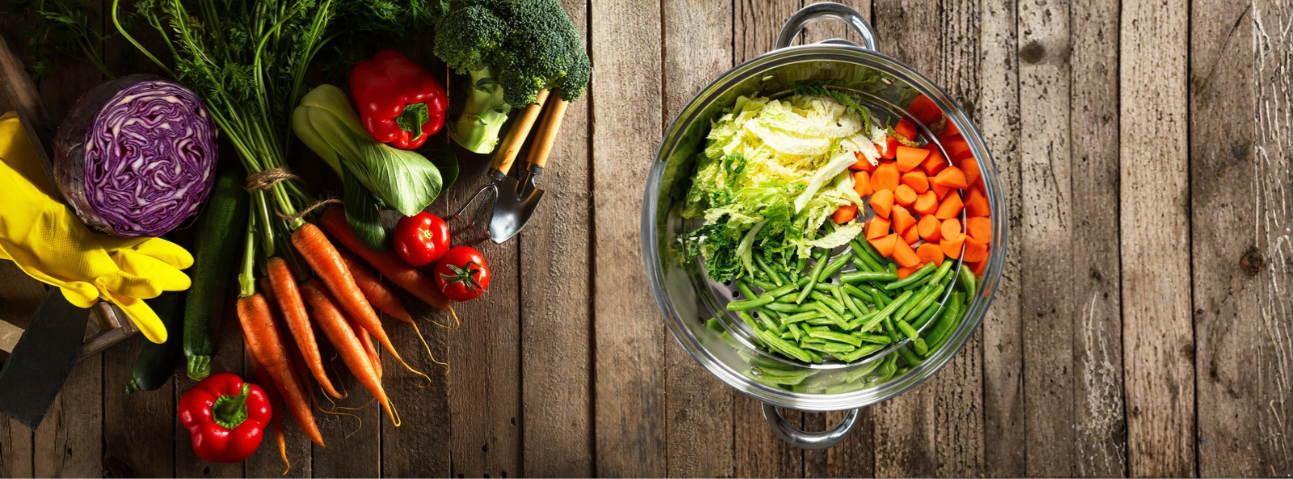
You don’t need special equipment to steam. Options:
Bamboo steamer — traditional, absorbs moisture, works beautifully for dumplings and vegetables
Metal steamer insert — fits most pots, affordable
Collapsible steamer basket — convenient, easy to store
Electric steamer — set-and-forget, good for larger batches
Improvised — a metal rack inside a pot with a lid
Chef’s note: In professional kitchens, we used multi-tier steamers — stacked baskets over a single pot of boiling water. This let us steam multiple items at once without crowding.
Step 2: Add Water (and Flavor)
Fill the pot with enough water to boil but not touch the bottom of the steamer basket. Usually 1–2 inches.
For extra flavor, add aromatics to the water:
Bay leaves
Fresh herbs — thyme, parsley, lemongrass
Citrus slices — lemon, lime, orange
Ginger slices
Garlic cloves
Chef’s note: The aromatics in the water flavor the steam, which gently flavors the food. This is how you get steamed fish that tastes like lemongrass without adding it directly to the fish.
Step 3: Arrange the Food in a Single Layer
Cut food into even pieces. Arrange in a single layer with space between pieces.
Chef’s note: If you pile food on top of itself, the food on the bottom steams faster than the food on top. Single layer = even cooking.
Step 4: Bring the Water to a Boil
Place the pot over high heat and bring the water to a rolling boil. Once boiling, reduce to a steady simmer — the water should bubble steadily but not violently.
Chef’s note: The steam is what cooks the food — you need consistent steam production. A rolling boil wastes water; a weak simmer produces too little steam.
Step 5: Place the Steamer Basket Over the Pot
Set the steamer basket (or insert) on top of the pot. Add the lid.
Chef’s note: Make sure the basket sits above the water line. If the food touches the water, it’s boiling, not steaming.
Step 6: Steam for the Right Amount of Time
Timing depends on what you’re cooking:
Leafy greens — 3–5 minutes
Asparagus, broccoli, green beans — 4–6 minutes
Carrots, cauliflower — 6–8 minutes
Potatoes, beets, squash — 15–25 minutes
Fish fillets — 6–10 minutes
Dumplings — 8–12 minutes
Custards — 20–30 minutes
Chef’s note: Start checking 1–2 minutes before the minimum time. Overcooking is the most common steaming mistake.
Step 7: Don’t Lift the Lid Too Often
Every time you lift the lid, steam escapes and the temperature drops. Try to check only once or twice during cooking.
Chef’s note: If you have a glass lid, use it. You can watch the food without losing steam.
Step 8: Check for Doneness
Look for:
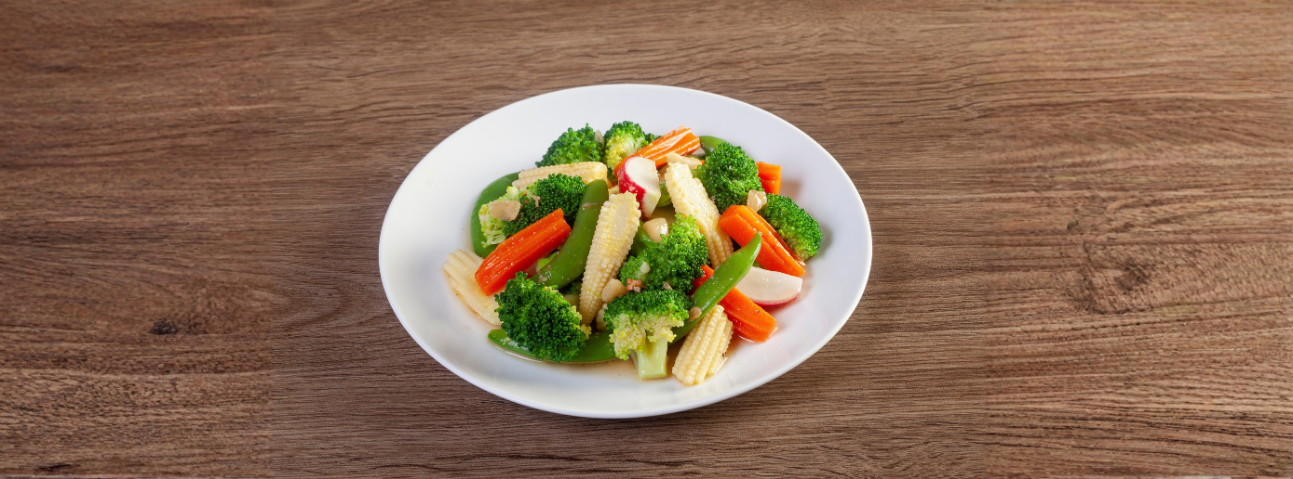
Bright colors — vegetables stay vivid
Tender-crisp texture — a knife should slide in easily but the food should hold its shape
No waterlogging — the food should look dry and glossy, not sitting in liquid
Opaque fish — fish should flake easily and look opaque
Chef’s note: Vegetables should be bright, not dull. If they’ve turned olive-green or grey, they’re overcooked.
Step 9: Season Immediately
Once the food comes out of the steamer, season it right away:
Salt and pepper
Olive oil or sesame oil — a light drizzle
Fresh herbs — parsley, cilantro, basil
Lemon or lime juice — for brightness
Soy sauce or vinaigrette — for a quick dressing
Chef’s note: Steamed food doesn’t have the flavor of pan-fried or grilled food — you need to season it. This is where a simple dressing makes a huge difference.
Step 10: Serve Immediately
Steamed food is best served hot and fresh. It doesn’t hold well.
Chef’s note: In a restaurant, steamed food goes from the steamer straight to the plate. At home, do the same — have your plates warm and your seasoning ready.
The Steaming Mistakes I've Watched Home Cooks Make
1. Too much water in the pot. If the water touches the food, it’s boiling, not steaming.
2. No lid or loose lid. Steam escapes, cooking takes forever. Use a tight-fitting lid.
3. Lifting the lid constantly. Every peek releases steam and slows the cooking. Resist the urge.
4. Crowding the basket. Stacked food cooks unevenly. Use a single layer.
5. Uneven pieces. Different sizes cook at different rates. Cut evenly.
6. Not seasoning after. Steamed food has a clean taste — but it still needs salt, acid, and fat to be delicious.
7. Overcooking vegetables. Steamed vegetables should be tender-crisp, not mushy. Check early.
8. Not using aromatics. Plain steam is fine, but flavored steam is better. Add herbs, citrus, or ginger to the water.
9. Using the wrong food. Not everything steams well. Delicate foods (custards) need lower heat; dense foods (beets) need longer time.
10. Not drying the food before serving. Steamed food can pick up condensation. Pat dry or let it drain briefly before plating.
Steaming Temperatures and Times
| Food | Time | Notes |
|---|---|---|
| Spinach, kale | 3–5 min | Until wilted |
| Asparagus | 4–5 min | Until bright green |
| Broccoli florets | 5–6 min | Tender-crisp |
| Green beans | 5–6 min | Bright green |
| Snow peas | 3–4 min | Just tender |
| Carrots (sliced) | 6–8 min | Tender |
| Cauliflower florets | 6–8 min | Tender-crisp |
| Potatoes (cubed) | 15–20 min | Fork tender |
| Beets (whole) | 45–60 min | Very tender |
| Butternut squash (cubed) | 15–20 min | Fork tender |
| Salmon fillet | 8–10 min | Opaque, flakes easily |
| White fish (cod, halibut) | 6–8 min | Opaque |
| Shrimp | 4–5 min | Pink and curled |
| Dumplings (fresh) | 8–10 min | Translucent wrapper |
| Dumplings (frozen) | 10–12 min | Add 2 min |
| Custard (individual) | 20–25 min | Set but jiggly |
| Rice (steamed in banana leaf) | 25–30 min | Absorbs steam flavor |
| Tamales | 60–90 min | Firm, not mushy |
When Steaming Goes Wrong
Problem: The vegetables are soggy.
Cause: Too much water in the pot, or overcooked.
Fix: Reduce water to below the basket. Check 1–2 minutes before the minimum time.
Problem: The food is pale and dull.
Cause: Overcooked, or steamed too long at too high a heat.
Fix: Reduce cooking time. Vegetables should be bright, not olive-green.
Problem: The food tastes bland.
Cause: No seasoning after steaming.
Fix: Salt, acid (lemon, vinegar), fat (olive oil, sesame oil), and fresh herbs.
Problem: The steam is escaping.
Cause: Lid not tight, or pot too small for the basket.
Fix: Use a tight-fitting lid. Cover with foil if needed.
Problem: The water boils dry.
Cause: Not enough water, or long cooking time.
Fix: Add more water at the start. Check midway for longer cooks.
Problem: The food sticks to the steamer.
Cause: Steamer not oiled, or food has sticky coating (dumplings).
Fix: Line the steamer with parchment paper or cabbage leaves.
Problem: The custard is watery.
Cause: Steamed at too high a heat.
Fix: Lower the heat and steam gently. Cover the custard with foil to prevent water droplets from falling in.
Problem: The food cooks unevenly.
Cause: Pieces not uniform, or piled on top of each other.
Fix: Cut evenly and arrange in a single layer.
What to Serve With Steamed Dishes
Steamed food pairs well with:
Rice — jasmine, basmati, or short-grain
Noodles — rice noodles, soba, or udon
Sauces — soy sauce, sesame oil, vinaigrette, dipping sauces
Fresh herbs — cilantro, parsley, basil, mint
Citrus — lemon, lime, orange
Chili oil — for spice and richness
Frequently Asked Questions about Steaming
1. Do I need a bamboo steamer to steam food?
No. A metal steamer insert, a collapsible basket, or even a metal rack in a pot with a lid all work.
2. What's the difference between steaming and boiling?
Boiling submerges food in water at 212°F, which leaches nutrients. Steaming cooks food in vapor — the food never touches the water.
3. How much water should I put in the pot?
1–2 inches. Enough to produce steam for the duration of cooking, but not so much that it touches the steamer basket.
4. Should the lid be tight?
Yes. A tight-fitting lid traps the steam and keeps the temperature consistent.
5. Can I steam frozen vegetables?
Yes. Add 2–3 minutes to the cooking time.
6. Can I steam fish?
Yes. Fish steams beautifully — 6–10 minutes depending on thickness. It stays moist and delicate.
7. Can I steam dumplings?
Yes. Fresh dumplings steam in 8–10 minutes. Frozen dumplings need 10–12 minutes.
8. Can I steam rice?
Yes, but it’s tricky. Traditionally rice is steamed in a banana leaf or a bamboo container. It absorbs the flavor of the steam.
9. Can I steam custards?
Yes. Custards steam at low heat for 20–30 minutes. Cover with foil to prevent water droplets.
10. Can I steam meat?
Yes. Chicken, pork, and fish all steam well. Steamed meat is tender and moist.
11. How do I add flavor to steamed food?
Add aromatics to the water (bay leaf, citrus, ginger), and season the food after steaming (salt, oil, herbs, citrus).
12. Can I steam multiple things at once?
Yes — use a multi-tier steamer. Put denser foods on the bottom tier and lighter foods on top.
13. Is steamed food healthier than boiled?
Yes. Steaming preserves up to 90% of water-soluble vitamins. Boiling leaches them into the water.
14. Can I steam in a microwave?
Yes. Use a microwave-safe steamer or a bowl covered with a lid. Add a small amount of water. Times vary.
15. Can I steam without a steamer?
Yes. Use a metal colander over a pot of boiling water with a lid on top. Or use a metal rack inside a pot.
Final Thoughts
Steaming is the quiet workhorse of the kitchen. It doesn’t produce dramatic browning. It doesn’t sizzle. But it’s the technique that preserves more nutrients than any other method, and it produces food that’s tender, moist, and full of natural flavor.
The rules are simple:
Use the right equipment
Keep the water below the food
Use a tight-fitting lid
Don’t crowd the basket
Don’t lift the lid too often
Season after steaming
Serve immediately
Do those things, and steaming becomes one of the most useful techniques in your kitchen.
In professional kitchens, steaming was the technique that produced the cleanest, most nutritious food on the menu. It wasn’t fast. It wasn’t dramatic. But it was consistent.
Steaming isn’t cooking. It’s gentle, healthy, and patient — transforming food with nothing but vapor.
Disclaimer
This article is based on personal experience working in professional kitchens. Cooking techniques and results may vary based on your equipment, ingredients, and skill level. Photos are for illustrative purposes.