Why Your Pasta, Potatoes, and Eggs Turn Out Wrong (It’s the Boiling)
Boiling looks like the easiest technique in the kitchen. Water, heat, food. But boiling is also the technique that ruins the most food — soggy vegetables, mushy pasta, tough meat. Here’s how professional kitchens boil correctly.
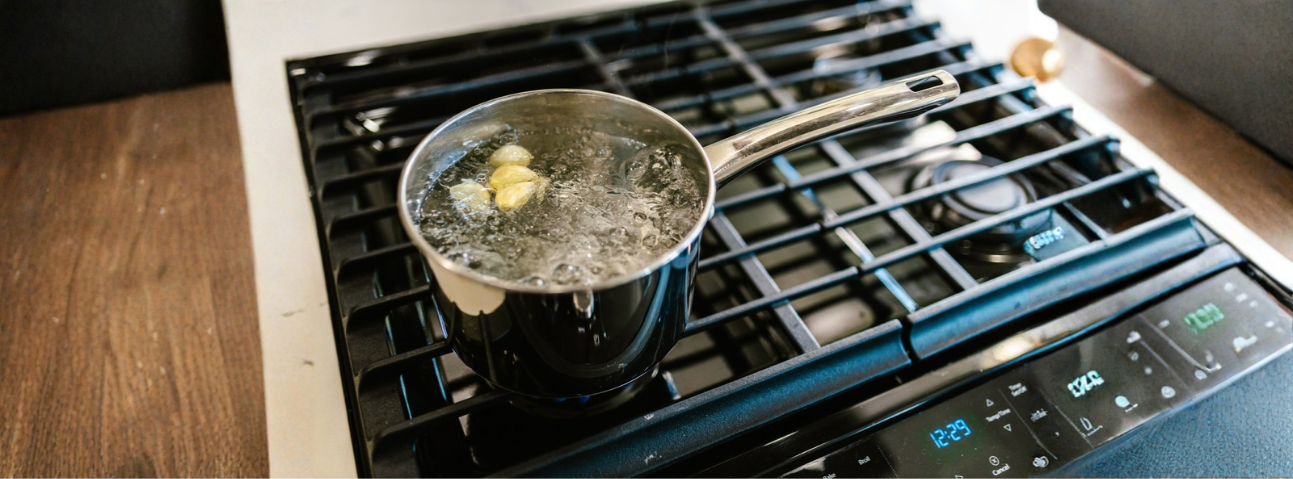
Boiling is the oldest cooking technique in the world. Long before ovens, pans, or even pottery, humans were dropping food into heated water. The word itself comes from the Old Norse bola — to bubble. It’s the technique that built civilizations.
And it’s the technique that most home cooks still get wrong.
Not because boiling is difficult. It isn’t. But because boiling has rules — and those rules are almost always ignored. Water temperature. Salt. Timing. What to do with the cooking liquid. Each one matters, and getting them wrong is why pasta turns to mush, potatoes go waterlogged, and eggs stick to their shells.
I’ve spent years working in professional kitchens, and boiling was part of the daily rhythm. We boiled pasta for service, blanched vegetables for garnish, poached delicate proteins, cooked stocks and broths. It’s the technique that everything else depends on — when it’s done right.
This guide explains how boiling actually works, when to use it, and the mistakes I’ve seen home cooks make over and over.
Table of Contents
ToggleThe Boiling Cheat Sheet
| What | Details |
|---|---|
| What it is | Cooking food submerged in liquid at 212°F (100°C) |
| Temperature | 212°F at sea level — lower at higher altitudes |
| Water amount | Generous — 4–6 quarts for a pound of pasta |
| Salt ratio | 1–2 tablespoons per gallon of water |
| Best for | Pasta, grains, potatoes, eggs, beans, vegetables |
| Not ideal for | Delicate proteins (poach instead), leafy greens (steam instead) |
| Stirring | Once at the start — then leave it alone |
| Timing | Precise — set a timer |
| Signs it's right | Rolling bubbles, food cooks evenly |
| Signs it's wrong | Pale, mushy, waterlogged food |
| Cooking liquid | Save it — it's flavor |
What Boiling Actually Does
Boiling is the process of cooking food by fully submerging it in liquid at 212°F (100°C), the boiling point of water at sea level.
Three things happen during a proper boil:
1. Heat transfers through the water.
Water is a highly efficient heat conductor. When you submerge food in boiling water, heat surrounds it completely and cooks it from all sides. This is why boiling cooks evenly — there’s no hot spot, no cold spot, no gradient.
2. Water-soluble nutrients leach out.
This is the trade-off. Boiling pulls water-soluble vitamins (vitamin C, B vitamins) and minerals out of food and into the water. This is why boiled vegetables lose nutrients — unless you use the cooking water in the final dish.
3. Starches and proteins set.
Pasta absorbs water and the starch sets. Eggs coagulate. Beans soften. Rice absorbs moisture. Boiling transforms the structure of food — when done correctly, evenly and precisely.
What boiling is NOT:
Boiling isn’t simmering. Simmering is 185–205°F with small bubbles rising gently. Boiling is 212°F with rolling, vigorous bubbles. Simmering is for stocks, sauces, and braises. Boiling is for pasta, potatoes, and eggs.
Boiling isn’t steaming. Steaming cooks food in vapor above boiling water — the food never touches the liquid. Boiling submerges the food directly. Steaming preserves more nutrients; boiling leaches them.
The Professional Way vs. The Home Cook Way
| Step | Home Cook | Professional |
|---|---|---|
| Water amount | Just enough to cover | Generous — 4–6 quarts per pound of pasta |
| Salt | A pinch | 1–2 tablespoons per gallon |
| Boiling point | Adds food when water "looks ready" | Waits for a true rolling boil |
| Adding food | All at once | Slowly, so water returns to a boil |
| Stirring | Constantly | Once at the start |
| Timing | Guessed | Timer set — precise |
| Tasting | Rarely | Always, 1 minute before the timer |
| Cooking liquid | Poured down the drain | Saved for sauce, soup, or stock |
| Draining | Shakes colander vigorously | Drains gently, reserving liquid |
How I Boil: 10 Steps, Start to Finish
Step 1: Use Enough Water
Use 4–6 quarts of water per pound of food. This seems like a lot, but it matters.
Chef’s note: In professional kitchens, we used large stockpots with far more water than most home cooks would think necessary. The reason: when you add food, the water temperature drops. With more water, the temperature recovers faster and the food cooks evenly. With too little water, the food stews in its own starch.
Step 2: Salt Generously
Add 1–2 tablespoons of salt per gallon of water. This is more salt than most home cooks use — and it’s the right amount.
Chef’s note: Salt doesn’t just flavor food — it changes how it cooks. Salted water penetrates the food as it boils, seasoning it from the inside out. Unsalted water produces bland food, no matter how much you season after.
Step 3: Bring to a Rolling Boil
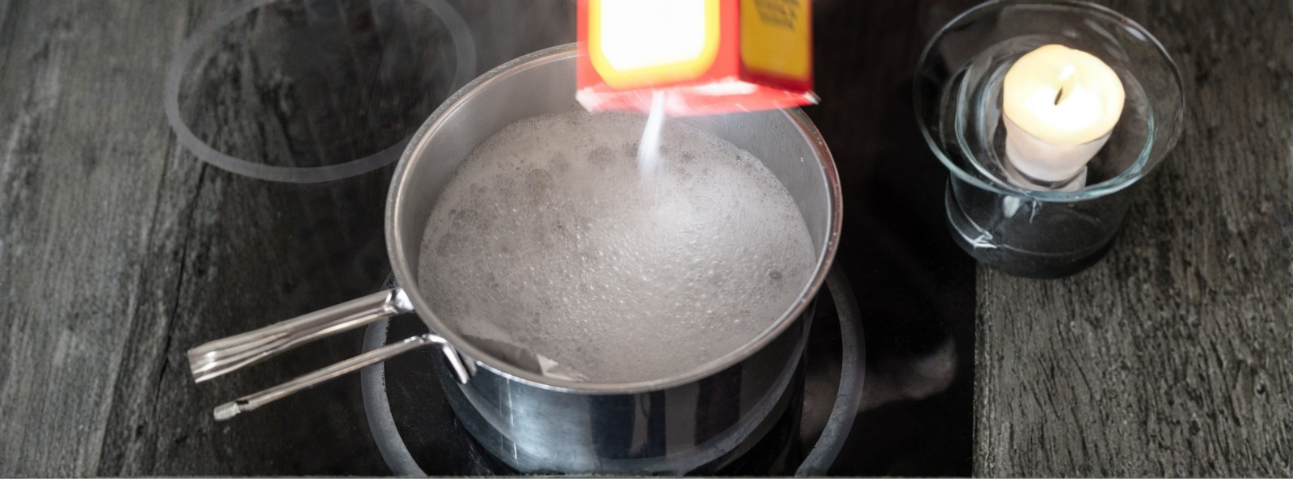
Wait for the water to reach a true rolling boil — large bubbles rising vigorously and breaking at the surface. Not “almost boiling.” Not “small bubbles forming.” A rolling boil.
Chef’s note: If you add food before the water boils, the cooking time becomes unpredictable. The food sits in warm water, absorbing moisture without cooking properly.
Step 4: Add the Food Slowly
Add food gradually — not all at once. This prevents the water temperature from dropping too far.
Chef’s note: For pasta, this means letting the water return to a boil between handfuls. For vegetables, add them in a steady stream while stirring. The goal: keep the water as close to boiling as possible.
Step 5: Stir Once
Give the pot one good stir after adding the food. This prevents sticking and separates pieces. Then leave it alone.
Chef’s note: Contrary to popular belief, pasta and vegetables don’t need constant stirring. One stir at the start is enough. Constant stirring breaks down delicate textures.
Step 6: Maintain the Boil
Keep the water at a rolling boil throughout cooking. If it drops to a simmer, increase the heat.
Chef’s note: Some foods (pasta, potatoes) can be boiled hard. Others (eggs, delicate vegetables) benefit from a gentler boil. Adjust the heat based on what you’re cooking.
Step 7: Set a Timer
Don’t guess. Set a timer based on the shortest recommended cooking time.
Chef’s note: In professional kitchens, we timed everything. Every. Single. Thing. Timing is the difference between al dente pasta and mush. If your recipe says 8–10 minutes, start checking at 7.
Step 8: Taste Before It’s Done
One minute before the timer, taste the food. This is non-negotiable.
Pasta: Should have a slight bite — a tiny resistance in the center
Vegetables: Should be tender but still hold their shape
Eggs: Depends on the desired doneness
Beans: Should be creamy inside, not mealy
Potatoes: Fork-tender, not mushy
Chef’s note: Timing is a guideline — your stove, your pot, and your water volume all affect cooking. Taste is the truth.
Step 9: Drain Carefully
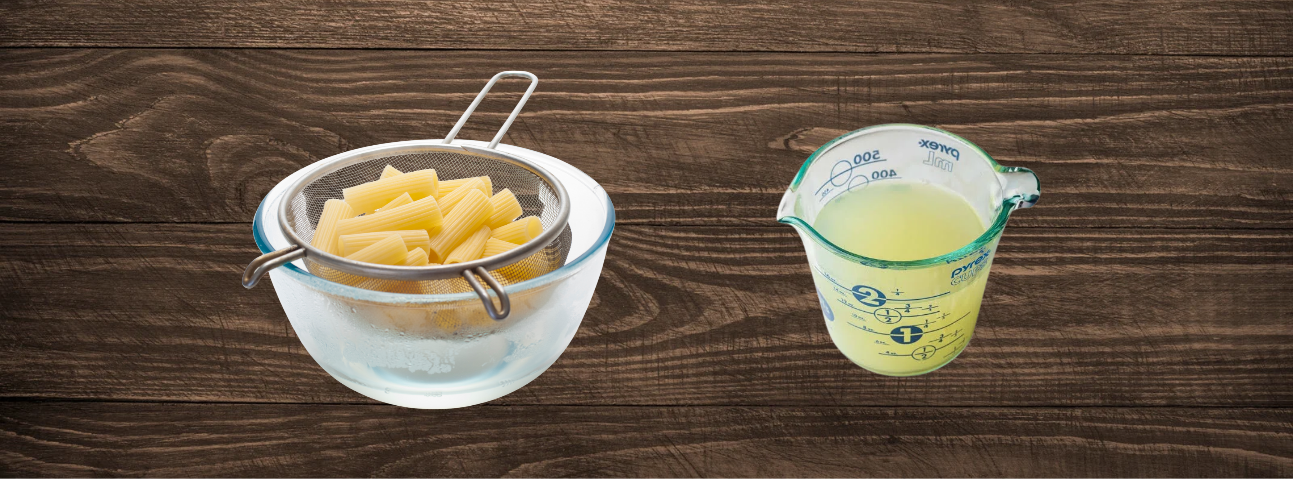
Drain the food in a colander. But first — save some of the cooking liquid.
Chef’s note: Pasta water is liquid gold. It’s starchy and salty, and it makes sauces cling to pasta beautifully. Save 1 cup before draining. Toss a spoonful into your sauce to bring it together. This is what restaurant pasta sauces do.
Step 10: Use Immediately
Boiled food is best served immediately. It doesn’t hold well.
Chef’s note: In restaurants, boiled food goes from pot to plate in under a minute. At home, do the same — have your sauce, plate, and toppings ready before you drain.
The Boiling Mistakes I've Watched Home Cooks Make
1. Not enough water. Too little water = food stews in its own starch. Use 4–6 quarts per pound.
2. Not enough salt. Unsalted water = bland food. Use 1–2 tablespoons per gallon.
3. Adding food before the water boils. The cooking time becomes unpredictable. Wait for a rolling boil.
4. Adding food all at once. Temperature drops too far. Add gradually.
5. Stirring constantly. One stir is enough. Constant stirring breaks down texture.
6. Not setting a timer. Guessing leads to overcooked food. Set a timer.
7. Not tasting before draining. Taste is the truth. Timers are guidelines.
8. Pouring pasta water down the drain. It’s flavor. Save a cup for the sauce.
9. Boiling delicate proteins. Fish, shrimp, and eggs benefit from gentler methods (poaching). Boiling them makes them tough.
10. Overcrowding the pot. Too much food in too little water = uneven cooking.
Boiling Times by Food
| Food | Water | Time | Notes |
|---|---|---|---|
| Pasta (dried) | 4–6 qt per lb | 8–12 min | Salt generously. Save pasta water. |
| Pasta (fresh) | 4–6 qt per lb | 2–4 min | Cooks fast — don't walk away. |
| Rice (long-grain) | 2 cups per 1 cup rice | 15–20 min | Don't stir. |
| Potatoes (cubed) | Enough to cover | 10–15 min | Start in cold water for even cooking. |
| Eggs (soft-boiled) | Enough to cover | 5–6 min | Lower into boiling water. |
| Eggs (hard-boiled) | Enough to cover | 9–12 min | Ice bath after. |
| Green beans | Enough to cover | 4–6 min | Tender-crisp. |
| Broccoli florets | Enough to cover | 3–5 min | Bright green. |
| Asparagus | Enough to cover | 3–5 min | Until tender. |
| Corn on the cob | Enough to cover | 5–7 min | After water returns to boil. |
| Dried beans (soaked) | Enough to cover by 2 in | 60–90 min | Depends on bean type. |
| Chickpeas (soaked) | Enough to cover by 2 in | 90–120 min | Until creamy. |
| Quinoa | 2 cups per 1 cup quinoa | 15 min | Fluff with fork after. |
| Dumplings (fresh) | Enough to cover | 5–6 min | Float to the surface. |
When Boiling Goes Wrong
Problem: Pasta is mushy.
Cause: Overcooked, or not enough water.
Fix: Use more water. Set a timer for the minimum cooking time. Taste 1 minute before.
Problem: Pasta is stuck together.
Cause: Not enough water, or no stirring.
Fix: Use more water. Stir once when the pasta goes in. Add a splash of oil only if needed.
Problem: Vegetables are pale and mushy.
Cause: Overcooked, or not enough salt.
Fix: Salt the water. Boil briefly, then drain immediately. Or blanch and shock in ice water.
Problem: Eggs are hard to peel.
Cause: Fresh eggs, or no ice bath.
Fix: Use eggs that are 1–2 weeks old (easier to peel). Ice bath immediately after boiling.
Problem: Potatoes are unevenly cooked.
Cause: Cut unevenly, or started in boiling water.
Fix: Cut evenly. Start potatoes in cold water — they cook more evenly.
Problem: Rice is sticky.
Cause: Too much water, or stirring during cooking.
Fix: Use a 2:1 ratio. Don’t stir. Fluff with a fork after.
Problem: Boiled food tastes bland.
Cause: Not enough salt in the water.
Fix: Salt generously before adding food. This is the single biggest improvement.
Problem: The cooking liquid boiled over.
Cause: Not enough headroom, or too high heat.
Fix: Use a larger pot. Reduce heat slightly. Place a wooden spoon across the top.
What to Serve With Boiled Dishes
Boiled food is the base of countless dishes:
Pasta — toss with sauce, olive oil, or butter
Potatoes — mash, roast, or serve with butter and herbs
Eggs — deviled, sliced in salads, or eaten plain
Beans — add to soups, salads, or stews
Vegetables — dress with olive oil, lemon, salt
Rice — serve with curries, stir-fries, or protein
Dumplings — serve with dipping sauce
Boiling Questions, Answered
1. What's the difference between boiling and simmering?
Boiling is 212°F with rolling bubbles. Simmering is 185–205°F with gentle bubbles. Boiling is for pasta and potatoes; simmering is for stocks and sauces.
2. How much salt should I add to boiling water?
1–2 tablespoons per gallon of water. It sounds like a lot — it’s correct.
3. Should I add oil to pasta water?
No. Oil makes sauce slide off pasta. Stir once at the start instead.
4. How do I prevent pasta from sticking?
Use enough water (4–6 quarts per pound), stir once at the start, and don’t overcrowd.
5. Why does my pasta water need to be saved?
Starchy, salty pasta water helps sauces cling to pasta. Add a spoonful to any sauce to bring it together.
6. What's the best way to boil eggs?
Lower eggs into boiling water. Cook 5–6 minutes for soft-boiled, 9–12 minutes for hard-boiled. Ice bath immediately after.
7. Why do my hard-boiled eggs stick to the shell?
Very fresh eggs are harder to peel. Use eggs that are 1–2 weeks old. Ice bath after boiling helps too.
8. Should I start potatoes in cold or boiling water?
Cold water — for even cooking. Boiling water for cubed potatoes, cold water for whole.
9. Why is my rice sticky?
Too much water, or stirring during cooking. Use a 2:1 ratio and don’t stir.
10. What's the best pot for boiling?
A heavy-bottomed stockpot. Even heat distribution. A wide pot boils over less.
11. How much water for pasta?
4–6 quarts per pound. More water = better results.
12. Should I cover the pot when boiling?
No — leave it uncovered. Covering traps steam and can cause boil-overs.
13. Can I reuse boiling water?
For pasta — no (it’s starchy). For vegetables — no (it holds flavors). For eggs — no. Use fresh water each time.
14. Why does food taste bland after boiling?
Not enough salt in the water. Salt before adding food, not after.
15. Can I boil frozen food?
Yes, but add extra time. Frozen food drops the water temperature.
Final Thoughts
Boiling is the foundation technique. It’s not glamorous. It’s not dramatic. But it’s the technique that everything else builds on. Pasta, potatoes, rice, eggs, beans, vegetables — all start with a pot of boiling water.
The rules are simple:
Use enough water (4–6 quarts per pound)
Salt generously (1–2 tablespoons per gallon)
Wait for a rolling boil before adding food
Add food gradually
Stir once at the start
Set a timer
Taste before draining
Save some cooking water
Serve immediately
Do those things, and boiling becomes one of the most reliable techniques in your kitchen.
In professional kitchens, boiling was the technique that underpinned everything. It wasn’t fast or flashy. But it was consistent, and consistency is what makes a great kitchen.
Boiling isn’t cooking. It’s precision, patience, and consistency — one simple pot of water at a time.
Disclaimer
This article is based on personal experience working in professional kitchens. Cooking techniques and results may vary based on your equipment, ingredients, and skill level. Photos are for illustrative purposes.