Paul Bocuse: The Chef Who Made French Food Modern
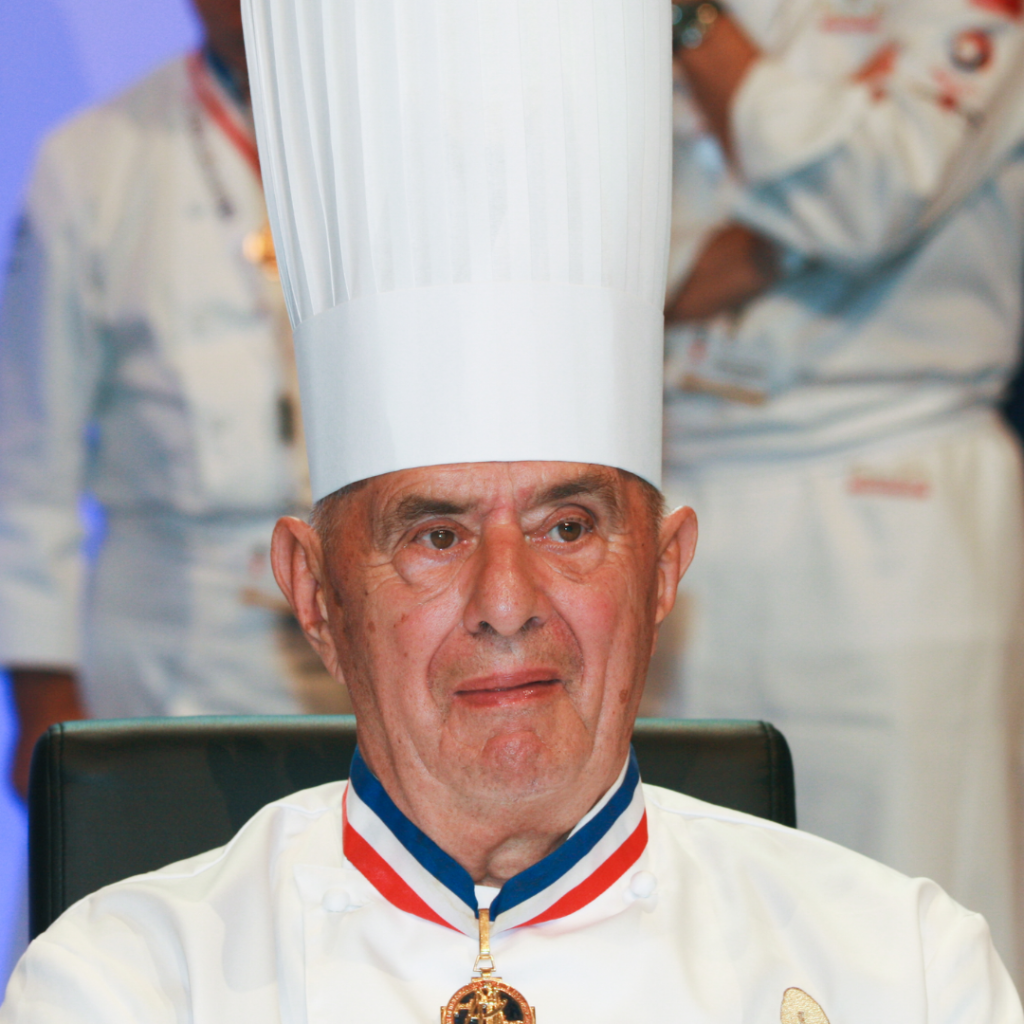
Most chefs are known for one thing. Paul Bocuse was known for several.
He was one of the first chefs to push French cooking away from heavy sauces and long cooking times — toward lighter food that tasted more like the ingredients. He built one of the most famous restaurants in the world. He trained a generation of chefs. He created an international cooking competition that still carries his name. And he was one of the first chefs to become a public figure — on television, in books, on magazine covers.
But the thing that made him important wasn’t any single achievement. It was that he showed French cooking could change without losing its identity. He respected the traditions he grew up with, and then he quietly rewrote parts of them.
That idea — respect the past, don’t be trapped by it — is why Paul Bocuse mattered.
Born Into the Kitchen
Paul Bocuse was born on February 11, 1926, in Collonges-au-Mont-d’Or, a small town just outside Lyon. His family had cooked for generations. His grandfather had been a chef. His parents ran a restaurant.
So he didn’t discover cooking. He grew up inside it.
But growing up around food and becoming a chef are different things. The discipline, the technique, the speed — those still had to be learned. And Bocuse learned them the hard way, working in some of the most demanding kitchens in France.
The Chefs Who Trained Him
Two names matter in Bocuse’s training.
The first was Eugénie Brazier, one of the most respected French chefs of her era — and one of the few women running a top kitchen. Bocuse worked in her kitchen as a young man. She was stern, exacting, and focused on technique and ingredients. That experience left a mark on him.
The second was Fernand Point, the chef at La Pyramide in Vienne, one of the most important restaurants in France at the time.
Point taught Bocuse something that would define his career: good cooking starts with good ingredients, and the chef’s job is to make them taste more like themselves, not less. Point didn’t drown food in sauce. He didn’t overcook it. He treated ingredients as if they were already excellent — because they were.
Bocuse carried that philosophy with him for the rest of his life.
The Restaurant
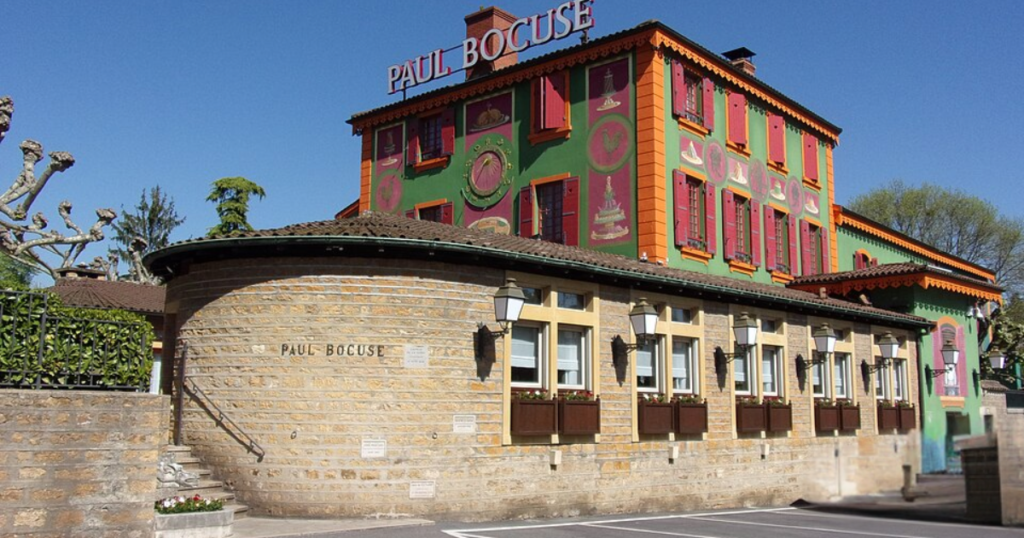
After years in other kitchens, Bocuse came back to his family’s restaurant in Collonges. It became L’Auberge du Pont de Collonges — and later, everyone just called it “Paul Bocuse.”
The restaurant earned its first Michelin star in 1958. The second in 1960. The third in 1965.
Then it held three stars for decades — a level of consistency that almost no other restaurant has matched. People flew to Lyon from around the world to eat there. For many, it wasn’t just a restaurant — it was the restaurant.
But Bocuse didn’t just cook. He also rewrote the menu. He simplified it. He cut dishes that were heavy and complicated and replaced them with dishes that let the ingredients speak. This was the beginning of what would later be called nouvelle cuisine.
Nouvelle Cuisine — What It Actually Was
Nouvelle cuisine sounds like a fancy phrase. It just means “new cooking.” The chefs connected to it — Bocuse, Paul Haeberlin, the Troisgros brothers, Michel Guérard — were all trying to fix the same problem: French food had gotten too heavy.
The classical French cooking Bocuse grew up with was built on long cooking times, thick sauces made from days-long reductions, enormous portions, and elaborate presentations. It was impressive. It was also exhausting.
Nouvelle cuisine kept the technique but cut the weight. Lighter sauces. Shorter cooking times. Smaller portions. Plates that looked elegant without being crowded.
Bocuse didn’t invent the movement. But he became its most famous face. And he showed that chefs didn’t have to choose between tradition and modernity. They could respect the old recipes and still make them taste cleaner and more modern.
That’s what made him a bridge between two eras of French cooking.
The Truffle Soup
In 1975, Bocuse was asked to cook for a state dinner at the Élysée Palace for French President Valéry Giscard d’Estaing.
He created a dish on the spot: Soupe aux Truffes Noires V.G.E. — black truffle soup, baked under a pastry crust that released the aroma when you broke through it.
It became one of the most famous dishes in French cooking. And it showed exactly what Bocuse was trying to do: take expensive, classic ingredients and present them in a way that was memorable and modern, but still undeniably French.
The Bocuse d’Or
In 1987, Bocuse created something that had never existed before: an international cooking competition for professional chefs, held every two years in Lyon.
He called it the Bocuse d’Or — the “Golden Bocuse.”
The idea was simple: bring the best young chefs from around the world to France, give them a set of ingredients, and see what they can do under intense time pressure. No restaurant service. No safety net. Just a kitchen, a clock, and a panel of judges.
The competition quickly became one of the most prestigious events in the culinary world. Chefs train for years just to qualify. Winning the Bocuse d’Or can launch a career.
For Bocuse, it wasn’t just about the competition. It was about giving young chefs a stage — the same kind of stage he never had.
The Public Chef
Bocuse was one of the first chefs to become a celebrity outside the kitchen.
He appeared on television. He wrote books. He posed for photos in his whites. He was invited to state dinners and gave interviews and became, quietly, one of the most recognized French chefs in the world.
This matters more than it sounds. Before Bocuse, chefs were mostly invisible. They worked behind kitchen doors and rarely spoke to the public. Bocuse helped change that. He made it acceptable for a chef to be a public figure — a teacher, an author, a personality.
Every chef who has a cooking show, a cookbook, or a social media following owes something to what Bocuse started.
What He Left Behind
Paul Bocuse died on January 20, 2018, at his home in Collonges-au-Mont-d’Or — the same town where he was born, and where his restaurant still stands.
His legacy is bigger than the restaurant. He helped define nouvelle cuisine. He trained a generation of chefs who went on to run their own kitchens. He created the Bocuse d’Or. He brought French cooking into the modern era without abandoning its roots.
For home cooks, the lesson is simpler. Bocuse believed that cooking didn’t have to be complicated to be great. A good ingredient, cooked properly and seasoned well, is enough. You don’t need twenty techniques. You need respect for the food in front of you.
That idea outlives the man.