Marination: The Prep Technique That Changes Everything
Marinating isn’t just soaking meat in sauce. It’s a technique with rules — acid, salt, oil, and time. Get those wrong and you’ve wasted your effort. Here’s how professional kitchens marinate.
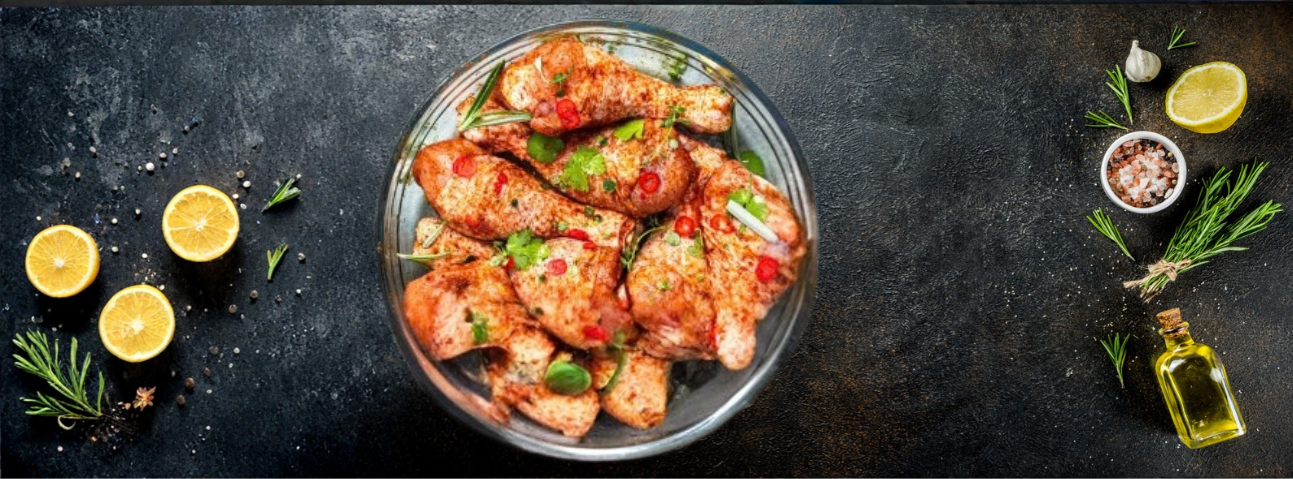
Marinating is the technique that most home cooks think they understand. They pour some soy sauce on chicken, add garlic, leave it in the fridge overnight, and call it marinating.
That’s not marinating. That’s just soaking meat in liquid.
Real marinating is a technique with specific rules. Acid tenderizes. Salt seasons and retains moisture. Oil carries flavor. Aromatics add complexity. Time is critical — too short and nothing happens, too long and the texture breaks down.
It’s also an art. The best marinades aren’t measured — they’re tasted. They’re adjusted. They’re built on understanding what each ingredient does, not on following a recipe. Once you understand the four components, you can build any marinade for any dish.
I’ve spent years working in professional kitchens, and marinating was part of the daily rhythm. We marinated chicken for grilling, beef for stir-fries, fish for ceviche-style preparations, vegetables for salads. It’s the technique that adds flavor before the cooking even starts — when it’s done right.
This guide explains how marinating actually works, when to use it, and the mistakes I’ve seen home cooks make over and over.
The Marination Cheat Sheet
| What | Details |
|---|---|
| What it is | Soaking food in a seasoned liquid before cooking |
| Four components | Acid, salt, oil, aromatics |
| Best foods | Chicken, beef, pork, fish, tofu, vegetables |
| Acid examples | Lemon juice, lime juice, vinegar, yogurt, wine |
| Salt examples | Soy sauce, fish sauce, kosher salt, miso |
| Oil examples | Olive oil, sesame oil, neutral oil |
| Aromatics | Garlic, ginger, herbs, spices, citrus zest |
| Time (chicken) | 30 min to 4 hrs |
| Time (beef/pork) | 1 hr to 24 hrs |
| Time (fish) | 15–30 min |
| Time (vegetables) | 15–60 min |
| Time (tofu) | 30 min to 2 hrs |
| Do NOT marinate | Delicate fish in acid for long, shrimp in acid |
| Signs it's right | Meat is flavorful, tender, and moist |
| Signs it's wrong | Mushy texture, uneven flavor, tough exterior |
What Marinating Actually Does
Marinating is the process of soaking food in a seasoned liquid to add flavor and change texture before cooking.
Four things happen during a proper marination:
1. Salt penetrates the meat.
Salt dissolves into the meat’s surface and slowly moves inward. This seasons the meat from the inside out and helps it retain moisture during cooking. This is the most important function of a marinade.
2. Acid tenderizes the surface.
Acid (lemon juice, vinegar, yogurt, wine) breaks down the protein structure on the surface of the meat. This makes the surface more tender — but only the surface. Acid doesn’t penetrate deeply, and too much acid makes the meat mushy.
3. Oil carries fat-soluble flavors.
Many flavor compounds (in garlic, herbs, spices) are fat-soluble, not water-soluble. Oil in the marinade helps carry those flavors into the meat.
4. Aromatics add complexity.
Garlic, ginger, herbs, spices, citrus zest — these add layers of flavor that build during cooking. They don’t penetrate deeply, but they coat the surface and infuse the surrounding oil.
What marinating is NOT:
Marinating isn’t brining. Brining uses a saltwater solution (often with sugar) to season and add moisture to meat. Marinating uses a seasoned liquid to add flavor and tenderize.
Marinating isn’t dry-rubbing. Dry rubs are spice mixtures applied to the surface of meat before cooking. Marinades are liquids.
The Professional Way vs. The Home Cook Way
| Step | Home Cook | Professional |
|---|---|---|
| Recipe | Random mix of ingredients | Balanced: acid + salt + oil + aromatics |
| Timing | Overnight (too long) or "5 min" (too short) | Precise per protein |
| Acid | Too much or too little | Measured — enough to tenderize, not to break down |
| Salt | Often forgotten | Always present — soy sauce, fish sauce, or kosher salt |
| Container | Whatever fits | Shallow dish or zip-lock bag for even coverage |
| Temperature | Room temp on counter | Refrigerated (except for quick 15-min marinades) |
| Patting dry | Rarely done | Always done before cooking |
| Leftover marinade | Reused as sauce | Discarded, or boiled first |
| Cooking method | Any | Matched to the marinade — grill, pan-sear, or roast |
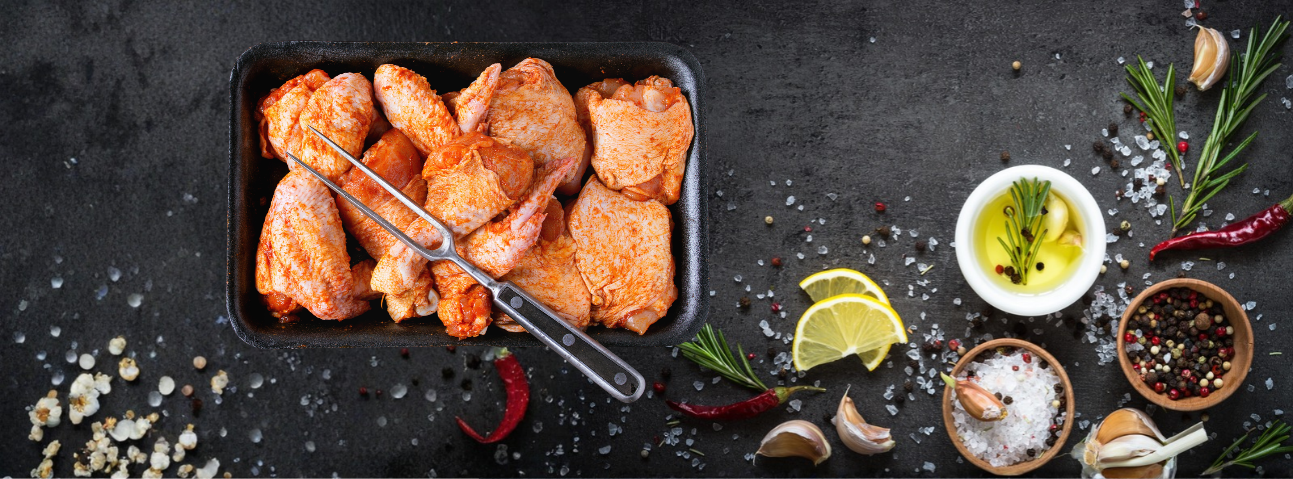
How I Marinate: 10 Steps, Start to Finish
Step 1: Choose the Right Protein
Different proteins take different marinades:
- Chicken (breast, thigh): 30 min to 4 hours. Acid-sensitive — don’t overdo the lemon or vinegar.
- Beef (steak, short rib): 1 hour to 24 hours. Handles strong marinades — soy, wine, vinegar.
- Pork (chops, shoulder): 1 hour to 24 hours. Similar to beef — likes acid and salt.
- Fish (fillets): 15–30 minutes. Delicate — acidic marinades can “cook” the fish (like ceviche).
- Shrimp: 15–30 minutes. Very acid-sensitive — longer makes them mushy.
- Tofu: 30 minutes to 2 hours. Absorbs marinade well.
- Vegetables (mushrooms, zucchini, peppers): 15–60 minutes.
Chef’s note: The most common marinating mistake is time. Chicken marinated overnight in lemon juice becomes mushy and rubbery. Fish marinated for an hour in lime juice becomes ceviche. Match the time to the protein.
Step 2: Choose the Right Acid
Acid is what makes a marinade a marinade — not just a sauce.
- Lemon juice — bright, versatile. Good for chicken, fish, vegetables.
- Lime juice — sharper. Good for fish, shrimp, Mexican-style marinades.
- Vinegar (red wine, apple cider, balsamic) — sharp and complex. Good for beef, pork, chicken.
- Yogurt — mild, creamy, tenderizing. Classic for Indian and Middle Eastern marinades.
- Wine — subtle, adds depth. Good for beef, pork, chicken.
Chef’s note: The general rule is 1 part acid to 3–4 parts oil in a liquid marinade. More acid than that breaks down the meat too much.
Step 3: Add Salt (The Most Important Step)
Salt is what actually seasons the meat. Without it, you’re just coating the surface.
- Soy sauce — classic for Asian marinades
- Fish sauce — umami-heavy, Southeast Asian
- Kosher salt — simple, works in any marinade
- Miso — Japanese, adds depth
- Worcestershire sauce — Western, adds umami
Chef’s note: Salt is the only ingredient in the marinade that actually penetrates the meat. Everything else stays on the surface. If you skip the salt, you’re not marinating — you’re just flavoring the surface.
Step 4: Add Oil
Oil carries fat-soluble flavors and helps the marinade adhere to the meat.
- Olive oil — classic for Mediterranean marinades
- Sesame oil — small amounts for Asian marinades
- Neutral oil (canola, grapeseed) — for any marinade
- Yogurt — acts as both acid and oil in Indian marinades
Chef’s note: Oil doesn’t penetrate the meat either — but it carries flavor and helps prevent sticking during cooking.
Step 5: Add Aromatics
This is where you build complexity:
- Garlic (minced or crushed)
- Ginger (grated)
- Fresh herbs (rosemary, thyme, cilantro, parsley)
- Spices (cumin, coriander, paprika, chili)
- Citrus zest
- Chili peppers
- Honey or sugar (small amount — for balance and browning)
Chef’s note: Aromatics don’t penetrate deeply. But they flavor the oil, which coats the meat, which flavors the surface during cooking. This is what people taste.
Step 6: Mix the Marinade
Whisk all ingredients together in a bowl until combined.
Chef’s note: Taste the marinade before adding the meat. It should taste balanced — salty, acidic, and flavorful. If it’s too acidic, add more oil. If it’s too salty, add more acid or oil. This is where the “art” part comes in — you’re not following a recipe, you’re balancing flavors.
Step 7: Add the Protein
Place the protein in a shallow dish or zip-lock bag. Pour the marinade over it. Make sure the marinade coats the meat evenly.
Chef’s note: Zip-lock bags are better for marinating because they use less marinade and coat the meat more evenly. Use one bag per pound of meat.
Step 8: Refrigerate for the Right Time
Match the marinating time to the protein (see Step 1).
Chef’s note: Always refrigerate — except for 15-minute marinades, which can be done at room temperature. Bacteria grows fast above 40°F.
Step 9: Pat Dry Before Cooking
This is the step home cooks skip most often. When you take the meat out of the marinade, pat it dry with paper towels.
Chef’s note: Wet meat steams instead of sears. If you want a good crust, pat it dry. Discard the used marinade — it’s contaminated with raw meat juices.
Step 10: Cook Immediately
Cook the marinated meat as soon as possible after taking it out of the marinade. Don’t let it sit.
Chef’s note: In restaurants, we marinated meat in the morning and cooked it during service. Never marinate, then let it sit for hours at room temperature.
The Marinating Mistakes I’ve Watched Home Cooks Make
1. Marinating too long. Chicken in lemon juice for 24 hours = mushy. Fish in lime juice for an hour = ceviche.
2. Not enough salt. Salt is the only thing that penetrates the meat. Don’t skip it.
3. Too much acid. Acid breaks down protein. Too much makes meat mushy.
4. No oil. Oil carries flavor and prevents sticking.
5. Skipping the pat-dry. Wet meat steams. Dry meat sears.
6. Reusing the marinade. Used marinade has raw meat juices. Boil it if you want to use it as a sauce.
7. Marinating at room temperature. Bacteria grows fast. Refrigerate.
8. Marinating delicate fish too long. Fish breaks down in acid in 15–30 minutes. Don’t marinate overnight.
9. Not using a bag or shallow dish. Deep bowls waste marinade and don’t coat evenly.
10. Forgetting to taste the marinade first. If the marinade tastes off, the meat will taste off.
Marinating Times by Protein
| Protein | Minimum | Maximum | Notes |
|---|---|---|---|
| Chicken breast | 30 min | 4 hrs | Acid-sensitive — don't overdo |
| Chicken thighs | 30 min | 6 hrs | More forgiving than breast |
| Whole chicken | 2 hrs | 12 hrs | Score the meat to help marinade penetrate |
| Beef steak | 1 hr | 24 hrs | Handles strong marinades |
| Beef short rib | 4 hrs | 24 hrs | Longer time = deeper flavor |
| Pork chops | 1 hr | 12 hrs | Similar to beef |
| Pork shoulder | 4 hrs | 24 hrs | Long marinade for slow cooking |
| Salmon fillet | 15 min | 30 min | Acid-sensitive |
| White fish | 15 min | 30 min | Very delicate |
| Shrimp | 15 min | 30 min | Acid-sensitive |
| Tofu | 30 min | 2 hrs | Absorbs well |
| Mushrooms | 15 min | 1 hr | Absorbs well |
| Zucchini | 15 min | 1 hr | Absorbs well |
When Marinating Goes Wrong
Problem: The meat is mushy.
Cause: Too much acid, or marinated too long.
Fix: Reduce acid. Shorten the time. Pat dry before cooking.
Problem: The meat tastes bland.
Cause: Not enough salt in the marinade, or marinated for too short a time.
Fix: Add soy sauce, fish sauce, or kosher salt. Marinate longer.
Problem: The meat is tough.
Cause: Not enough acid, or too short a marinating time.
Fix: Add more acid. Marinate longer. Use a cut of meat that benefits from marinating.
Problem: The exterior burns before the interior cooks.
Cause: Marinade had sugar or honey that burned.
Fix: Reduce sugar. Cook at lower heat. Pat dry before cooking.
Problem: The marinade didn’t penetrate.
Cause: Not enough salt, or marinated for too short a time.
Fix: Add salt. Marinate longer. Score thicker cuts.
Problem: The fish fell apart.
Cause: Overmarinated in acid.
Fix: Marinate fish for 15–30 minutes maximum.
Problem: The marinade tasted great but the meat didn’t.
Cause: Not enough salt, or the marinade didn’t have enough time to season the meat.
Fix: Salt the marinade. Marinate longer. Pat dry before cooking.
Problem: The marinade went bad in the fridge.
Cause: Left too long with raw meat in it.
Fix: Discard after use. Never reuse marinade that touched raw meat.
What to Serve With Marinated Dishes
Marinated proteins pair well with:
- Grilled vegetables — peppers, zucchini, onions
- Rice or grains — jasmine rice, quinoa, couscous
- Salads — Greek, tabbouleh, fattoush
- Flatbreads — pita, naan, lavash
- Yogurt sauces — tzatziki, raita
- Chimichurri or salsa verde — for a fresh finish
- Pickled vegetables — for acidity and crunch
Frequently asked Questions about Marination
1. What’s the difference between marinating and brining?
Marinating uses a seasoned liquid to add flavor and tenderize. Brining uses a saltwater solution (often with sugar) to season and add moisture.
2. How long should I marinate chicken?
30 minutes to 4 hours for chicken breast. 30 minutes to 6 hours for thighs. Longer than that in acid makes it mushy.
3. Can I marinate overnight?
For beef and pork — yes. For chicken — only if the marinade is low-acid. For fish — no.
4. Do I have to refrigerate while marinating?
Yes, always. Except for 15-minute marinades at room temperature.
5. What’s the best acid for marinating?
Lemon juice, lime juice, vinegar, yogurt, or wine. Match the acid to the cuisine.
6. Can I marinate without salt?
You can, but you’re not marinating — you’re just coating the surface. Salt is the only ingredient that penetrates the meat.
7. What’s the best oil for marinating?
Olive oil, sesame oil (in small amounts), or a neutral oil. Oil carries fat-soluble flavors.
8. Should I pat the meat dry after marinating?
Yes. Wet meat steams instead of sears.
9. Can I reuse the marinade?
No — it’s contaminated with raw meat juices. If you want to use it as a sauce, boil it first.
10. Can I marinate vegetables?
Yes. Mushrooms, zucchini, peppers, and eggplant all marinate well. 15 minutes to 1 hour.
11. Can I marinate tofu?
Yes. Tofu absorbs marinade well. 30 minutes to 2 hours.
12. Can I marinate in a slow cooker?
Marinating should happen before slow cooking. Marinate in the fridge, then add to the slow cooker.
13. Can I freeze meat in the marinade?
Yes. Freeze the meat with the marinade in a zip-lock bag. It marinates as it thaws.
14. How do I know when the marinade is balanced?
Taste it. It should be salty, acidic, and flavorful. If it’s too salty, add acid or oil. If it’s too acidic, add oil.
15. What’s the best container for marinating?
A zip-lock bag or a shallow glass dish. Both coat the meat evenly and use less marinade.
Marinating uses a seasoned liquid to add flavor and tenderize. Brining uses a saltwater solution (often with sugar) to season and add moisture.
30 minutes to 4 hours for chicken breast. 30 minutes to 6 hours for thighs. Longer than that in acid makes it mushy.
For beef and pork — yes. For chicken — only if the marinade is low-acid. For fish — no.
Yes, always. Except for 15-minute marinades at room temperature.
Lemon juice, lime juice, vinegar, yogurt, or wine. Match the acid to the cuisine.
You can, but you’re not marinating — you’re just coating the surface. Salt is the only ingredient that penetrates the meat.
Olive oil, sesame oil (in small amounts), or a neutral oil. Oil carries fat-soluble flavors.
Yes. Wet meat steams instead of sears.
No — it’s contaminated with raw meat juices. If you want to use it as a sauce, boil it first.
Yes. Mushrooms, zucchini, peppers, and eggplant all marinate well. 15 minutes to 1 hour.
Yes. Tofu absorbs marinade well. 30 minutes to 2 hours.
Marinating should happen before slow cooking. Marinate in the fridge, then add to the slow cooker.
Yes. Freeze the meat with the marinade in a zip-lock bag. It marinates as it thaws.
Taste it. It should be salty, acidic, and flavorful. If it’s too salty, add acid or oil. If it’s too acidic, add oil.
A zip-lock bag or a shallow glass dish. Both coat the meat evenly and use less marinade.
Final Thoughts
Marinating is the prep technique that changes everything. It adds flavor before the cooking even starts. It tenderizes tough cuts. It seasons meat from the inside out.
But it’s also an art. The best marinades aren’t measured — they’re tasted and adjusted. The best cooks treat marinating as a small experiment every time. They change ratios. They try new acids. They document what worked. This is how you build your own signature marinades over time.
The rules are simple:
- Balance the marinade — acid, salt, oil, aromatics
- Match the time to the protein
- Always refrigerate
- Pat dry before cooking
- Discard the used marinade
- Cook immediately
Do those things, and marinating becomes one of the most useful prep techniques in your kitchen.
In professional kitchens, marinating was the technique that gave us a head start. We prepped meat in the morning, let it marinate in the fridge, and cooked it during service. It wasn’t glamorous. But it was the difference between meat that tasted fine and meat that tasted incredible.
Marinating isn’t cooking. It’s the prep work that makes the cooking better.
Disclaimer
This article is based on personal experience working in professional kitchens. Cooking techniques and results may vary based on your equipment, ingredients, and skill level. Photos are for illustrative purposes.