BBQ: Low, Slow, and Worth the Wait
BBQ isn’t grilling. Grilling is fast, hot, and direct. BBQ is slow, low, and indirect. Confusing the two is the biggest mistake home cooks make — and it’s why their “BBQ” comes out dry and tough instead of tender and smoky.
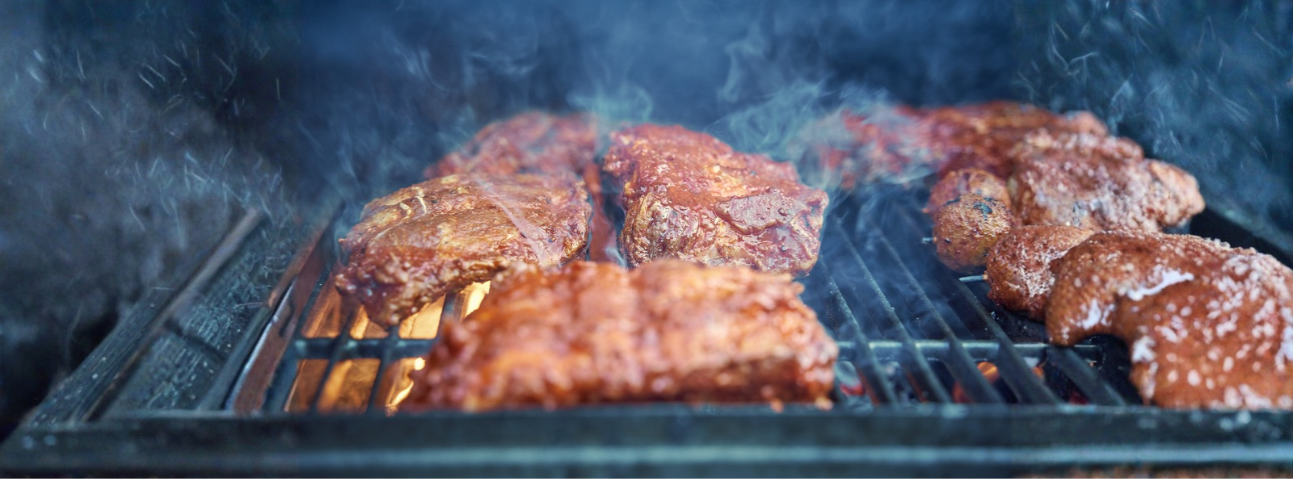
Most people use “BBQ” and “grilling” as if they mean the same thing. They don’t.
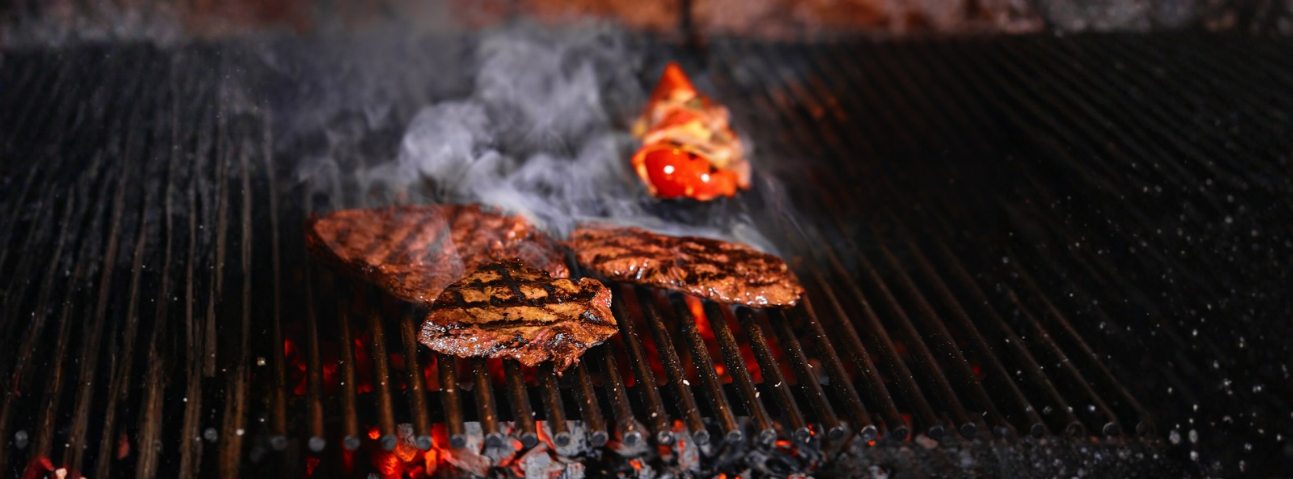
Grilling is fast, hot, and direct. Steaks, burgers, chicken breasts — 5 to 15 minutes over high heat. That’s grilling.
BBQ is slow, low, and indirect. Ribs, brisket, pulled pork — 4 to 16 hours at 225–275°F with smoke circulating around the meat. That’s BBQ.
If you’ve ever tried to “BBQ” ribs on a hot grill in 30 minutes and wondered why they came out tough — that’s why. You were grilling, not BBQing.
I’ve spent years working in professional kitchens, and BBQ is the technique that teaches patience. It’s also the technique that produces the most rewarding results — meat so tender it falls apart, with a smoky depth you can’t get any other way.
This guide explains how BBQ actually works, when to use it, and the mistakes I’ve seen home cooks make over and over.
Table of Contents
ToggleThe BBQ Cheat Sheet
| What | Details |
|---|---|
| What it is | Cooking meat low and slow with indirect heat and smoke |
| Temperature | 225–275°F (107–135°C) |
| Time | 3–16 hours depending on the cut |
| Fuel | Charcoal, wood, or wood pellets |
| Wood | Hickory, mesquite, apple, cherry, oak |
| Best cuts | Brisket, pork shoulder, ribs, beef short rib |
| Rub | Salt, pepper, paprika, brown sugar, garlic powder |
| Sauce | Added at the end, not during cooking |
| Wrapping | Optional — "Texas crutch" for brisket |
| Doneness | Internal temp + probe tender |
| Rest time | 30 min to 2 hrs |
| Signs it's right | Deep bark, pink smoke ring, meat pulls apart easily |
What BBQ Actually Does
BBQ is the process of cooking meat slowly over indirect heat with smoke, at a low temperature, for a long time.
Three things happen during a proper BBQ:
1. Collagen breaks down into gelatin.
Tough cuts like brisket, pork shoulder, and ribs are full of collagen — connective tissue that makes meat chewy. At 225–275°F, over several hours, collagen converts into gelatin. This is what makes BBQ meat tender and silky instead of tough.
2. Smoke flavor infuses the surface.
Wood chips or chunks produce smoke that circulates around the meat. Compounds in the smoke (like phenols and guaiacol) stick to the surface and slowly penetrate a little. This is what gives BBQ its signature smoky flavor.
3. The bark forms.
The dry rub on the surface of the meat combines with smoke and rendered fat to create a dark, crusty exterior called “bark.” This is one of the best parts of BBQ — and it only happens with long cooking and smoke.
What BBQ is NOT:
BBQ isn’t grilling. Grilling uses high heat and direct cooking for a short time — steaks, burgers, chicken breasts. BBQ uses low heat and indirect cooking for hours.
BBQ isn’t roasting. Roasting uses dry heat in an oven, no smoke. BBQ uses smoke as a key ingredient.
BBQ isn’t braising. Braising uses liquid to cook tough cuts — pot roast, short ribs. BBQ uses no liquid, just smoke and low heat.
The Professional Way vs. The Home Cook Way
| Step | Home Cook | Professional |
|---|---|---|
| Heat source | Direct heat | Indirect heat |
| Temperature | Guessed — often 350°F+ | 225–275°F, verified with thermometer |
| Time | 30 minutes to 1 hour | 3–16 hours |
| Wood | Sometimes added | Essential — chunks or chips |
| Rub | Salt and pepper | Salt, pepper, paprika, sugar, spices |
| Sauce | Poured on during cooking | Added at the table |
| Moisture | Constantly opens lid | Keeps lid closed |
| Wrapping | Never | Sometimes — "Texas crutch" |
| Resting | A few minutes | 30 min to 2 hours |
| Slicing | Any direction | Against the grain |
How I BBQ: 10 Steps, Start to Finish
Step 1: Choose the Right Cut
Not every cut is meant for BBQ. BBQ works best for tough, collagen-rich cuts:
Beef brisket — 12–16 hours
Pork shoulder (Boston butt) — 8–12 hours
Pork ribs (baby back or spare) — 4–6 hours
Beef short rib — 6–8 hours
Whole chicken — 3–4 hours
Beef plate (short rib plate) — 8–10 hours
Chef’s note: Tender cuts (filet mignon, ribeye, chicken breast) are wasted on BBQ — they’re already tender and will dry out during the long cook. Save them for grilling.
Step 2: Trim the Meat
Trim excess fat from the surface, but leave a 1/4-inch fat cap on brisket and pork shoulder. This fat bastes the meat as it cooks.
Chef’s note: Don’t trim all the fat — fat is flavor and moisture during the long cook. Just remove the hard, thick pieces that won’t render.
Step 3: Apply the Rub
The rub is what creates the bark. A basic BBQ rub:
Salt — 2 parts
Black pepper — 2 parts
Paprika — 1 part
Brown sugar — 1 part
Garlic powder — 1/2 part
Onion powder — 1/2 part
Cayenne — 1/4 part (optional)
Apply generously — the rub should coat the entire surface of the meat.
Chef’s note: Apply the rub at least 30 minutes before cooking, or up to overnight. The salt in the rub will start to penetrate the meat.
Step 4: Set Up Your Grill or Smoker for Indirect Heat
This is the most important step. BBQ uses indirect heat — the meat sits away from the fire, with smoke circulating around it.
For a charcoal grill:
Bank the coals on one side
Place the meat on the other side (the “cool zone”)
Add wood chunks on top of the coals
For a smoker:
Load charcoal or wood into the firebox
Place the meat in the cooking chamber
Keep the temperature at 225–275°F
Chef’s note: The meat should never sit directly over the fire. Indirect heat is what makes BBQ tender instead of charred.
Step 5: Add Wood for Smoke
Wood is what makes BBQ BBQ — not just low heat. Use chunks or chips of:
Hickory — classic, strong smoke
Mesquite — intense, good for beef
Apple or cherry — mild, sweet, good for pork and poultry
Oak — mild, versatile
Chef’s note: Start with 2–3 chunks of wood. Add more every 45 minutes for the first few hours. Don’t over-smoke — too much smoke makes the meat bitter.
Step 6: Maintain Temperature
Keep the temperature between 225–275°F throughout the cook. Use a thermometer to monitor both the grill temperature and the meat temperature.
Chef’s note: Every time you open the lid, you lose heat. Check as little as possible — every 45 minutes to 1 hour is enough.
Step 7: Spritz or Mop (Optional)
Some pitmasters spritz the meat with apple cider vinegar or apple juice every hour to keep the surface moist. Others don’t.
Chef’s note: Spritzing isn’t required. It helps prevent the surface from drying out during a long cook. If you do it, keep it light — too much moisture prevents bark formation.
Step 8: Wrap When Ready (The Texas Crutch)
When the meat reaches 165°F internal, you can wrap it in butcher paper or foil. This is called the “Texas crutch” — it speeds up cooking and keeps the meat moist.
Butcher paper — allows some smoke through, preserves bark
Foil — traps more moisture, softens bark
Chef’s note: Wrapping is optional. Some pitmasters wrap; some don’t. Try both and see which you prefer.
Step 9: Cook to Temperature — Then Probe Tender
BBQ isn’t done by time. It’s done by temperature and feel:
Brisket — 203°F internal, probe slides in like butter
Pork shoulder — 200–205°F internal, bone wiggles freely
Ribs — 195–200°F internal, meat pulls away from the bone
Beef short rib — 200–205°F internal, probe tender
Chicken — 165°F internal
Chef’s note: “Probe tender” means a thermometer or skewer slides into the meat with almost no resistance. When it does, it’s done.
Step 10: Rest Before Serving
Wrap the meat in foil or butcher paper and let it rest for 30 minutes to 2 hours before slicing.
Chef’s note: Resting lets the juices redistribute inside the meat. Slice a brisket immediately after cooking and the juices run out — rest it first.
The BBQ Mistakes I've Watched Home Cooks Make
1. Using direct heat. BBQ is indirect. If the meat is over the fire, that’s grilling.
2. Cooking too hot. 225–275°F is the target. Above 300°F, the meat cooks too fast.
3. Cooking too fast. BBQ takes hours. Rushing it produces tough meat.
4. Not using wood. Smoke is what makes BBQ BBQ. Charcoal alone isn’t enough.
5. Too much smoke. More smoke isn’t better. Too much makes the meat bitter.
6. Opening the lid constantly. Every peek drops the temperature. Leave it closed.
7. Guessing doneness. Use a thermometer. Cook to temperature, not time.
8. Not resting the meat. Resting is essential. Juices redistribute during the rest.
9. Slicing the wrong way. Always slice against the grain. This makes the meat more tender.
10. Saucing too early. Sauce goes on at the table, not during cooking. Sugar in sauce burns.
BBQ Times and Temperatures
| Cut | Cook Temp | Time | Internal Temp | Notes |
|---|---|---|---|---|
| Beef brisket | 225–250°F | 12–16 hrs | 203°F | Probe tender |
| Pork shoulder | 225–250°F | 8–12 hrs | 200–205°F | Bone wiggles |
| Pork ribs (baby back) | 225–250°F | 4–5 hrs | 195–200°F | Bend test |
| Pork ribs (spare) | 225–250°F | 5–6 hrs | 195–200°F | Bend test |
| Beef short rib | 250–275°F | 6–8 hrs | 200–205°F | Probe tender |
| Whole chicken | 250–275°F | 3–4 hrs | 165°F | Breast meat |
| Chicken thighs | 275°F | 2–3 hrs | 175°F | Juicier than breast |
| Beef plate ribs | 250–275°F | 8–10 hrs | 200–205°F | Probe tender |
| Pork belly | 225–250°F | 4–6 hrs | 195°F | Slices clean |
| Turkey breast | 250°F | 4–5 hrs | 165°F | Brine first |
When BBQ Goes Wrong
Problem: The meat is tough.
Cause: Cooked too hot, too fast, or not long enough.
Fix: Lower heat to 225–250°F and cook longer. Cook to internal temperature, not time.
Problem: The meat is dry.
Cause: Cooked too long, or not wrapped.
Fix: Wrap at 165°F internal (Texas crutch). Don’t cook past target temperature.
Problem: The meat tastes bitter.
Cause: Too much smoke.
Fix: Reduce wood chunks. Use milder wood (apple, cherry).
Problem: There’s no bark.
Cause: Cooked too low, too much moisture, or no rub.
Fix: Increase temperature to 250°F. Apply rub. Don’t spritz too much.
Problem: The meat is mushy.
Cause: Wrapped too early, or cooked too long wrapped.
Fix: Wrap at 165°F, not before. Unwrap for the last hour.
Problem: The temperature keeps dropping.
Cause: Too much wood, or too much airflow.
Fix: Adjust vents. Add coals if needed.
Problem: The meat cooked too fast.
Cause: Temperature too high, or meat was too small.
Fix: Lower heat. Use a larger cut for longer cooks.
Problem: The bark is burnt.
Cause: Sugar in the rub burned at high heat.
Fix: Lower heat. Reduce sugar in the rub.
What to Serve With BBQ
BBQ pairs well with classic sides:
Coleslaw — creamy or vinegar-based
Baked beans — sweet and smoky
Cornbread — classic BBQ pairing
Potato salad — creamy, cool
Pickles — for acidity and crunch
White bread — for brisket and pulled pork sandwiches
Mac and cheese — creamy, comforting
Collard greens — Southern classic
Pickled onions — for brightness
FAQs About BBQ
1. What's the difference between BBQ and grilling?
Grilling is fast, hot, and direct. BBQ is slow, low, and indirect with smoke.
2. What temperature should I BBQ at?
225–275°F. Most BBQ is done at 225–250°F.
3. How long does BBQ take?
3–16 hours depending on the cut. Brisket takes 12–16 hours; ribs take 4–6.
4. Do I need a smoker to BBQ?
No. A charcoal grill with a two-zone setup works. Or a kettle grill with indirect heat.
5. What wood is best for BBQ?
Hickory, mesquite, apple, cherry, or oak. Match the wood to the meat.
6. Do I need to wrap the meat?
Optional. Wrapping at 165°F (the “Texas crutch”) speeds cooking and keeps the meat moist.
7. How do I know when BBQ is done?
By temperature and feel. Brisket: 203°F and probe tender. Pork shoulder: 200–205°F and bone wiggles.
8. Should I sauce during cooking?
No. Sauce goes on at the table. Sugar in sauce burns at BBQ temperatures.
9. How long should I rest the meat?
30 minutes to 2 hours, wrapped in foil or butcher paper.
10. Can I BBQ in the oven?
Yes — but it’s not really BBQ. Oven “BBQ” is slow-roasted meat with liquid smoke. Real BBQ needs smoke.
11. What's a smoke ring?
A pink ring just under the bark, caused by a chemical reaction between smoke and myoglobin in the meat.
12. Can I BBQ frozen meat?
No. Thaw completely before cooking. Frozen meat cooks unevenly.
13. How much wood should I use?
2–3 chunks at the start, then 1 chunk every 45 minutes for the first few hours.
14. Can I BBQ vegetables?
Yes. Mushrooms, peppers, corn, and even fruit (peaches, pineapple) BBQ well.
15. What's the difference between BBQ regions?
Texas: beef brisket, salt and pepper rub. Kansas City: pork, sweet sauce. Carolina: pork, vinegar sauce. Memphis: ribs, dry rub.
Final Thoughts
BBQ is the technique that rewards patience. It takes hours. It requires attention. It doesn’t produce dramatic results in minutes.
But the payoff is meat so tender it falls apart, with smoky depth you can’t get any other way. A properly smoked brisket, a rack of ribs falling off the bone, a pork shoulder that pulls apart with a fork — this is the food that brings people together.
The rules are simple:
Use indirect heat
Keep the temperature low (225–275°F)
Use real wood for smoke
Don’t open the lid
Cook to temperature, not time
Rest the meat before slicing
Do those things, and BBQ becomes one of the most rewarding techniques in your kitchen.
In professional kitchens, BBQ was a weekend ritual — a long, slow cook that fed a crowd. It wasn’t fast. It wasn’t fancy. But it was the food that people remembered.
BBQ isn’t cooking. It’s patience, smoke, and time — transforming cheap cuts into memorable meals.
Disclaimer
This article is based on personal experience working in professional kitchens. Cooking techniques and results may vary based on your equipment, ingredients, and skill level. Photos are for illustrative purposes.